Titandioxid Anatas TiO2

tio2 anatase structure, tio2 anatase crystal structure, anatase structure of tio2, anatase form, titanium dioxide anatase, titanium oxide anatase

Anatase‑Titandioxid (TiO₂) wird in Innenwandbeschichtungen, Kunststoffrohren, Dünnschichten, umweltfreundlichen Baustoffen, Gummiprodukten, Papier, Textilien, Lebensmittelzusatzstoffen, Pharmazeutika und Kosmetika eingesetzt.

Seine UV‑Absorption und lichtaktivierte Reaktivität ermöglichen Anwendungen in Luftreinigung, Wasseraufbereitung und selbstreinigenden Oberflächen. Mit stabiler katalytischer Leistung eignet sich Anatase‑TiO2 für funktionelle Materialien mit konstanter Effizienz.

Anatase‑Titandioxid (TiO₂) wird in Innenwandbeschichtungen, Kunststoffrohren, Dünnschichten, umweltfreundlichen Baustoffen, Gummiprodukten, Papier, Textilien, Lebensmittelzusatzstoffen, Pharmazeutika und Kosmetika eingesetzt.

Seine UV‑Absorption und lichtaktivierte Reaktivität ermöglichen Anwendungen in Luftreinigung, Wasseraufbereitung und selbstreinigenden Oberflächen. Mit stabiler katalytischer Leistung eignet sich Anatase‑TiO2 für funktionelle Materialien mit konstanter Effizienz.

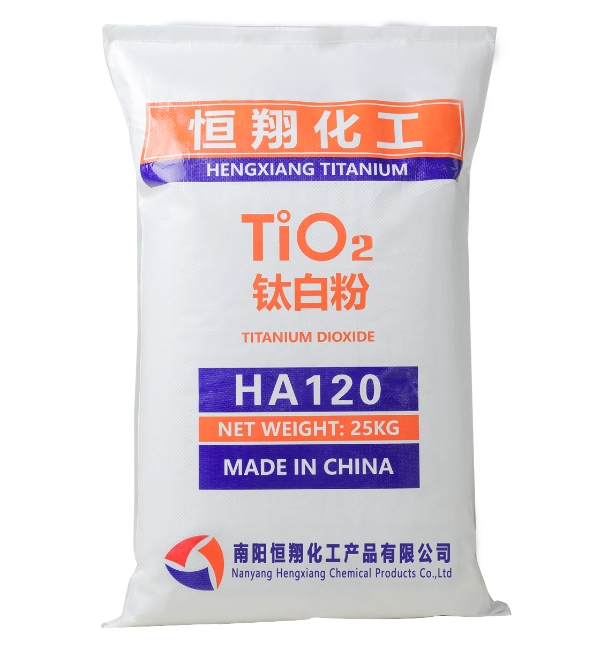
Chinesischer Hersteller von Anatas Titandioxid TiO2 HA120 Sulfatverfahren

Anatase Titandioxid TiO2 HA120

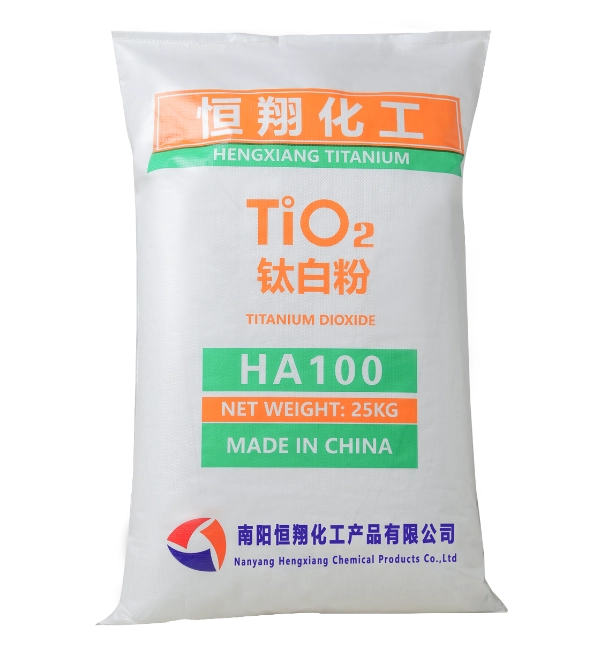
HA-120 ist ein vielseitiges Anatas-Titandioxid mit hervorragender Weiße, hoher Deckkraft, Glanz und Dispergierbarkeit Mit geringer Ölaufnahme und starker Wetterbeständigkeit wird es hauptsächlich in Innenwandbeschichtungen, Kunststoffrohren für den Innenbereich, Folien, Gummi, Leder, Papier, Titanat-Herstellung und Titandioxid-Masterbatch-Anwendungen eingesetzt

WeiterlesenAnatase Titandioxid TiO2 HA120

Titandioxid Anatas TiO2 Basics

What is titanium dioxide anatase?

What is anatase TiO2?

Anatase titanium dioxide is a form of TiO₂ known for its lighter and brighter appearance. It has higher brightness but lower weather resistance than rutile, so it is mainly used in indoor products.

Anatase TiO2 is widely used in paper, inks, plastics, rubber, ceramics, and in certain cosmetic, food‑grade, and pharmaceutical‑grade products. It is also used in photocatalytic materials where good whiteness and easy dispersion are important.

What is the structure of TiO2?

What is the structure of TiO2?

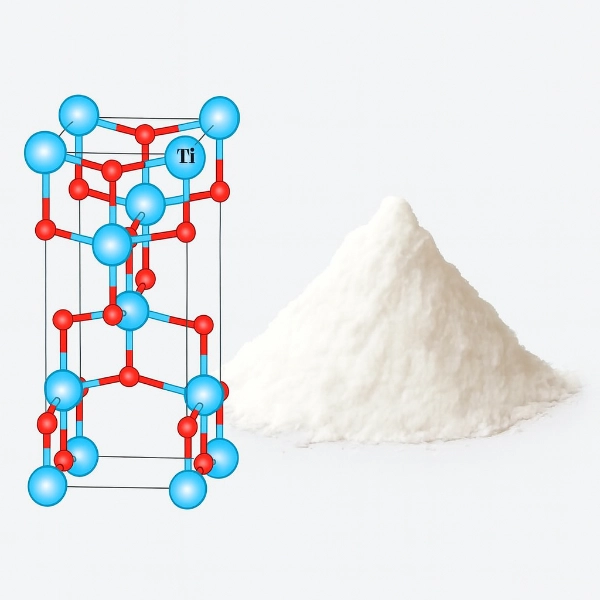
Titanium dioxide comes in several crystal forms, with rutile and anatase being the most common. In both structures, each titanium atom is surrounded by six oxygen atoms, forming TiO₆ octahedra.

The difference between them comes from how these octahedra connect. Rutile has a tighter, more compact arrangement, while anatase has a slightly more open structure.

A third form, brookite, also uses TiO₆ octahedra but is far less common and rarely used commercially. In general, the crystal structure of TiO2 is defined by the way these octahedra link together, which gives each form its own physical and chemical properties.

Application Uses

What is titanium dioxide anatase used for?

What is titanium dioxide anatase used for?

Anatase titanium dioxide is known for its softer brightness and good dispersibility. It is widely used in textiles as a delustering agent, where it reduces fiber gloss and gives fabrics a more natural appearance.

Outside of textiles, anatase TiO2 is also used in paper, plastics, ceramics, and certain specialty coatings. It is commonly found in food and pharmaceutical products, such as tablets and vitamins, as well as in animal feed, where a mild and uniform whitening effect is needed.

Compared with rutile TiO2, anatase offers a gentler whitening effect, which makes it especially suitable for fibers, consumer products, and applications that require a clean, natural look.


Other Related Questions

What is the difference between anatase and rutile tio2?

What is the difference between rutile and anatase TiO2?

Rutile and anatase are two different crystal forms of titanium dioxide (TiO₂). They share the same chemical composition, but their crystal structures give them distinct properties and uses.

Rutile is the most stable form, with a higher refractive index and stronger UV resistance. These qualities make it the preferred choice for outdoor coatings, plastics, and other applications that demand long‑lasting whiteness and durability.

Anatase, by contrast, is less stable but has excellent dispersibility and unique photocatalytic activity. Because of these traits, anatase is often used in specialized applications such as self‑cleaning surfaces, solar cells, and certain indoor coatings. It has also been the primary crystal form used in food‑grade titanium dioxide (E171) as a coloring agent, though regulations on food use vary by region.

In brief, rutile is valued for stability and durability, while anatase is chosen for its reactivity, dispersibility, and in some cases food coloring applications.