Titandioxid Rutil TiO2

rutile tio2 structure, titanium dioxide rutile tio2, rutile powder, titanium oxide rutile

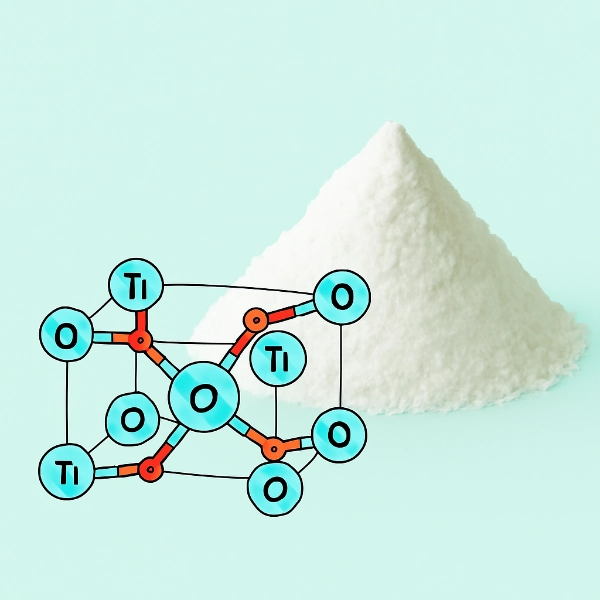
Rutil-Titandioxid besitzt eine dichte TiO₂-Struktur, die hohe Deckkraft, UV-Beständigkeit und stabile Leistung als Rutilpigment bietet.

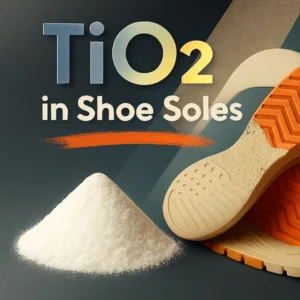
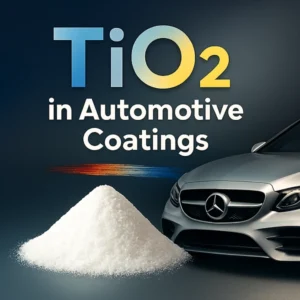
Titandioxid Rutil TiO2 wird in Außenbeschichtungen, Kunststoffen, Masterbatch, Keramikglasuren, Baumaterialien, Tinten, Papier und Kosmetika eingesetzt und liefert hervorragende Weiße und Deckvermögen. In Architekturfarben, Autolacken, Pulverbeschichtungen, PVC-Profilen und wetterbeständigen Kunststoffen unterstützt Rutil TiO2 dauerhafte Farbbeständigkeit, Oberflächenschutz und lange Lebensdauer.

Rutil-Titandioxid besitzt eine dichte TiO₂-Struktur, die hohe Deckkraft, UV-Beständigkeit und stabile Leistung als Rutilpigment bietet.

Titandioxid Rutil TiO2 wird in Außenbeschichtungen, Kunststoffen, Masterbatch, Keramikglasuren, Baumaterialien, Tinten, Papier und Kosmetika eingesetzt und liefert hervorragende Weiße und Deckvermögen. In Architekturfarben, Autolacken, Pulverbeschichtungen, PVC-Profilen und wetterbeständigen Kunststoffen unterstützt Rutil TiO2 dauerhafte Farbbeständigkeit, Oberflächenschutz und lange Lebensdauer.

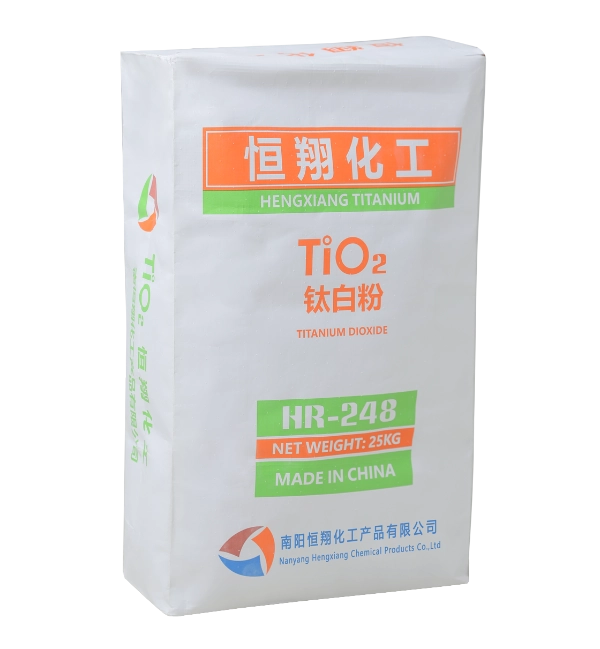
25-kg-Industriesack Titandioxid Rutil-Qualität, Sulfatverfahren TiO₂, China HengXiang Titanium

Rutil-Titandioxid HR248

Titandioxid HR-248 ist eine im Sulfatverfahren hergestellte Rutil-Qualität mit feiner Partikelgröße und hohem Glanz, produziert mit importierten Sandmühlen im Nassmahlverfahren. Oberflächenbehandelt mit dichter Tonerde und Kieselsäure, bietet es hervorragende Witterungsbeständigkeit und Haltbarkeit.

HR-248 wird häufig in PVC, Beschichtungen, Ätzfarben, Papier, Straßenmarkierungen und insbesondere in Masterbatch-Anwendungen eingesetzt. Als hochleistungsfähiges Titandioxid für Masterbatch gewährleistet es eine starke Deckkraft, Helligkeit und Dispergierbarkeit. Dies macht es zur idealen Wahl für Titandioxid-Masterbatch-Formulierungen (TiO₂-Masterbatch), die eine gleichbleibende Qualität und langfristige Stabilität erfordern.
WeiterlesenRutil-Titandioxid HR248
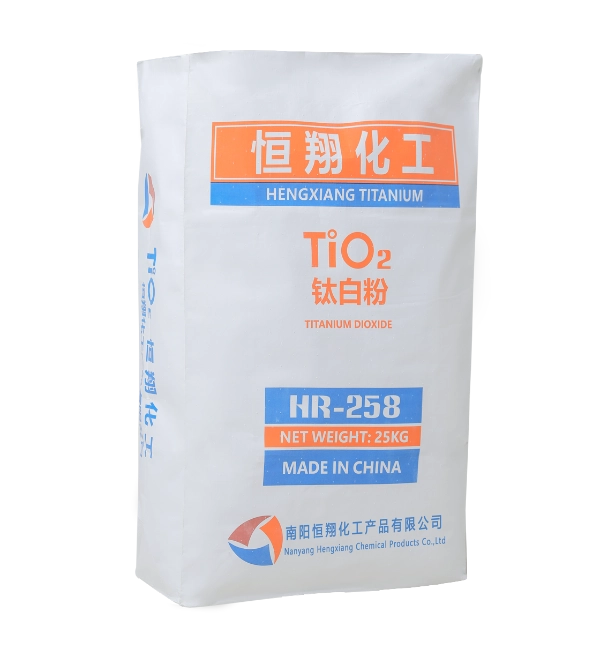
Rutil-Titandioxidpigment CR706 (Chloridverfahren) im 25-kg-Industriesack

Rutil-Titandioxid CR706

CR706 ist bekannt für seine außergewöhnliche Dispergierbarkeit, hohen Glanz, starke Deckkraft und bläulichen Unterton. Es handelt sich um ein herausragendes Rutil-Titandioxid mit überlegener anorganischer Oberflächenbehandlung für hervorragende Wetterbeständigkeit. Es wird weit verbreitet in Architektur- und Industriebeschichtungen, sowohl im Innen- als auch im Außenbereich, sowie in Straßenmarkierungen und Beschilderungen eingesetzt.

WeiterlesenRutil-Titandioxid CR706
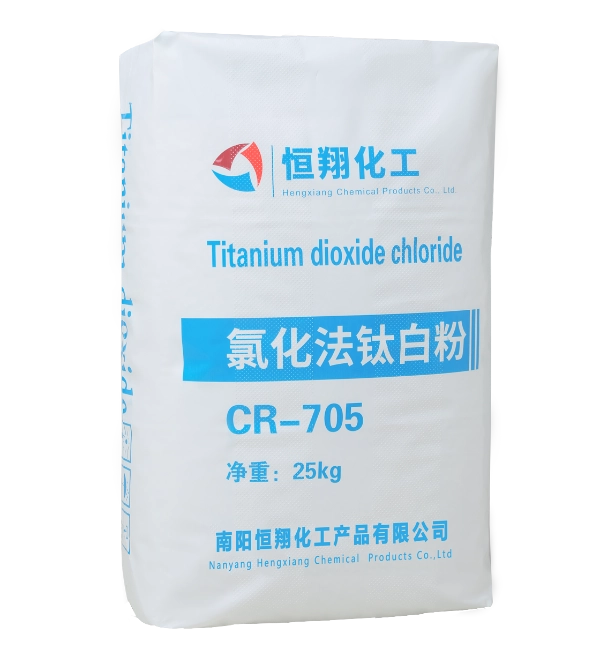
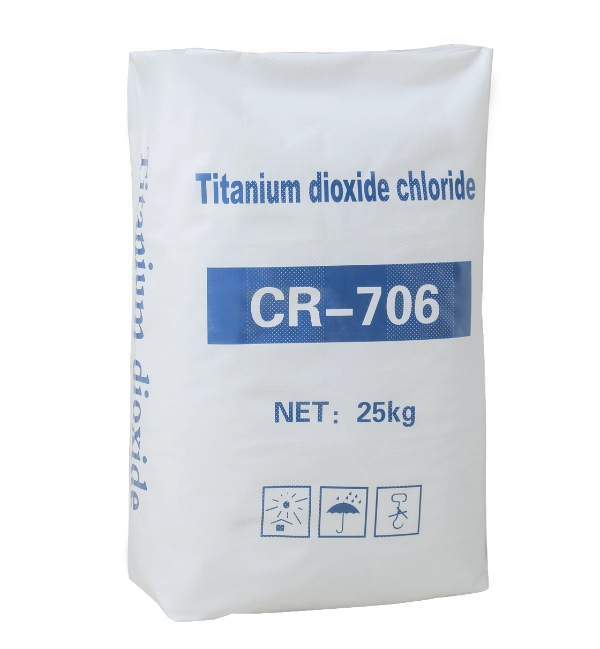
Industrielle Verpackung von CR705 Titandioxid-Pigment, Chloridverfahren-Rutilqualität, 25-kg-Sack

Rutil-Titandioxid TiO2 CR705

CR705 ist ein im Chloridverfahren hergestelltes Titandioxid mit bläulichem Unterton, hoher Helligkeit und ausgezeichneter Wetterbeständigkeit. Vielseitig einsetzbar für Beschichtungen, Druckfarben, Straßenmarkierungen und Kunststoffe – einschließlich Architektur-Oberflächen, Automobil-OEM, industrielle Antikorrosionsbeschichtungen, Tief- und Offsetdruckfarben, technische Kunststoffe, TiO₂-Masterbatch-Anwendungen sowie Titandioxid für Masterbatch-Lösungen.

WeiterlesenRutil-Titandioxid TiO2 CR705

Titandioxid Rutil TiO2 Basics

What is titanium dioxide rutile?

What is rutile titanium dioxide?

Rutile titanium dioxide is the rutile crystal form of TiO₂, widely recognized as the most stable and durable type of titanium dioxide. It provides excellent hiding power, strong resistance to ultraviolet light, and high durability under outdoor conditions.

Because of these properties, rutile TiO2 is commonly chosen as a white pigment in coatings, plastics, and other demanding applications. It is regarded worldwide as a reliable material that delivers consistent performance over time.

Application Uses

What is titanium dioxide rutile used for?

What is titanium dioxide rutile used for?

Rutile titanium dioxide is widely used because of its excellent durability, strong opacity, and resistance to weathering. These properties make it a preferred choice for outdoor applications such as architectural and industrial coatings, plastics, and construction materials, where long-term performance matters.

It is also commonly found in packaging materials, automotive coatings, printing inks, and synthetic fibers, helping deliver consistent whiteness, opacity, and protection over time.

Performance & Properties

What is the TiO2 content of rutile?

What is the TiO2 content of rutile?

Rutile titanium dioxide pigment typically contains about 92–98% TiO₂, with the rest made up of small amounts of zirconia and alumina coatings, and sometimes silica or other surface treatments to improve durability and dispersion.

Other Related Questions

What is the difference between anatase and rutile tio2?

What is the difference between rutile and anatase TiO2?

Rutile and anatase are two different crystal forms of titanium dioxide (TiO₂). They share the same chemical composition, but their crystal structures give them distinct properties and uses.

Rutile is the most stable form, with a higher refractive index and stronger UV resistance. These qualities make it the preferred choice for outdoor coatings, plastics, and other applications that demand long‑lasting whiteness and durability.

Anatase, by contrast, is less stable but has excellent dispersibility and unique photocatalytic activity. Because of these traits, anatase is often used in specialized applications such as self‑cleaning surfaces, solar cells, and certain indoor coatings. It has also been the primary crystal form used in food‑grade titanium dioxide (E171) as a coloring agent, though regulations on food use vary by region.

In brief, rutile is valued for stability and durability, while anatase is chosen for its reactivity, dispersibility, and in some cases food coloring applications.