Titandioxid (TiO₂) ist ein vielseitiges Pigment, das sowohl in Rutil- als auch in Anatas-Form erhältlich ist und außergewöhnliche Weiße, Deckkraft und Haltbarkeit bietet. Durch fortschrittliche Sulfat- und Chloridverfahren zur Herstellung von Titandioxid werden Rutil- und Anatas-TiO₂-Pigmente mit gleichbleibender Qualität für Beschichtungen, Kunststoffe, Masterbatch, Tinten, Papier, Straßenmarkierungen und Baumaterialien produziert. Mit starker UV-Beständigkeit und hervorragender Dispergierbarkeit bleiben Anatas-TiO₂ und Rutil-Qualitäten weltweit wichtige Materialien in zahlreichen Industrien.
Titandioxid (TiO₂) ist ein vielseitiges Pigment, das sowohl in Rutil- als auch in Anatas-Form erhältlich ist und außergewöhnliche Weiße, Deckkraft und Haltbarkeit bietet. Durch fortschrittliche Sulfat- und Chloridverfahren zur Herstellung von Titandioxid werden Rutil- und Anatas-TiO₂-Pigmente mit gleichbleibender Qualität für Beschichtungen, Kunststoffe, Masterbatch, Tinten, Papier, Straßenmarkierungen und Baumaterialien produziert. Mit starker UV-Beständigkeit und hervorragender Dispergierbarkeit bleiben Anatas-TiO₂ und Rutil-Qualitäten weltweit wichtige Materialien in zahlreichen Industrien.
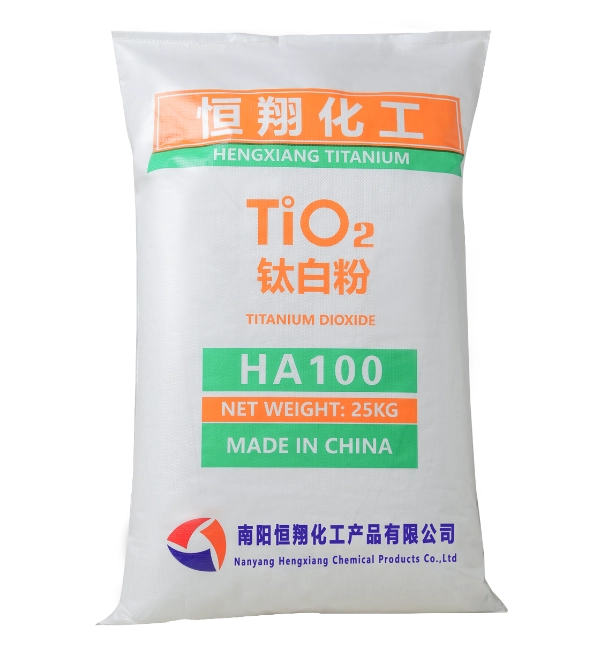
HA-100 ist ein Anatas-Titandioxid-Pigment mit hoher Reinheit, feiner Partikelgrößenverteilung und hervorragender Leistung Es bietet starke Deckkraft, herausragende Weiße und überlegene Dispersion und eignet sich für Innenwandbeschichtungen, Innenkunststoffrohre, Folien, Gummi, Leder, Papier, Titanemaille, Porzellan und Titandioxid-Masterbatch-Anwendungen.
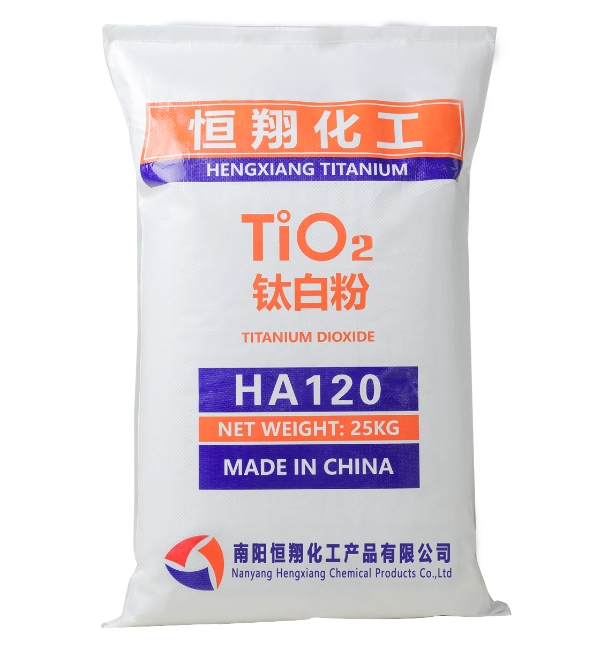
HA-120 ist ein vielseitiges Anatas-Titandioxid mit hervorragender Weiße, hoher Deckkraft, Glanz und Dispergierbarkeit Mit geringer Ölaufnahme und starker Wetterbeständigkeit wird es hauptsächlich in Innenwandbeschichtungen, Kunststoffrohren für den Innenbereich, Folien, Gummi, Leder, Papier, Titanat-Herstellung und Titandioxid-Masterbatch-Anwendungen eingesetzt
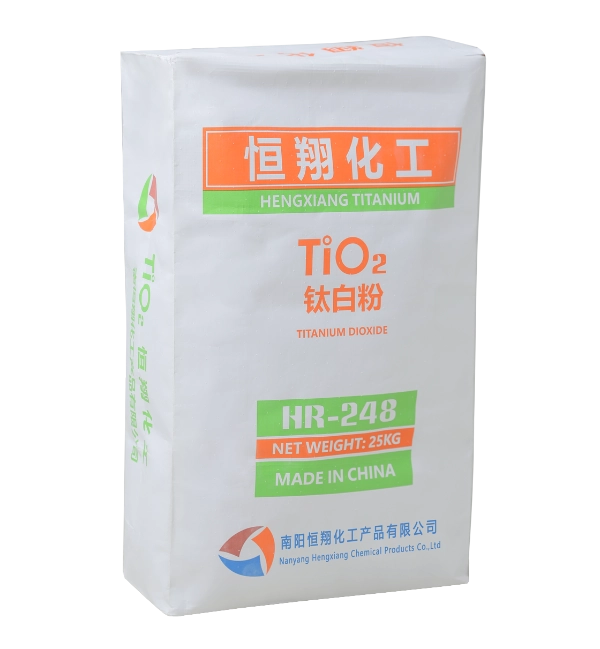
Titandioxid HR-248 ist eine im Sulfatverfahren hergestellte Rutil-Qualität mit feiner Partikelgröße und hohem Glanz, produziert mit importierten Sandmühlen im Nassmahlverfahren. Oberflächenbehandelt mit dichter Tonerde und Kieselsäure, bietet es hervorragende Witterungsbeständigkeit und Haltbarkeit.
HR-248 wird häufig in PVC, Beschichtungen, Ätzfarben, Papier, Straßenmarkierungen und insbesondere in Masterbatch-Anwendungen eingesetzt. Als hochleistungsfähiges Titandioxid für Masterbatch gewährleistet es eine starke Deckkraft, Helligkeit und Dispergierbarkeit. Dies macht es zur idealen Wahl für Titandioxid-Masterbatch-Formulierungen (TiO₂-Masterbatch), die eine gleichbleibende Qualität und langfristige Stabilität erfordern.
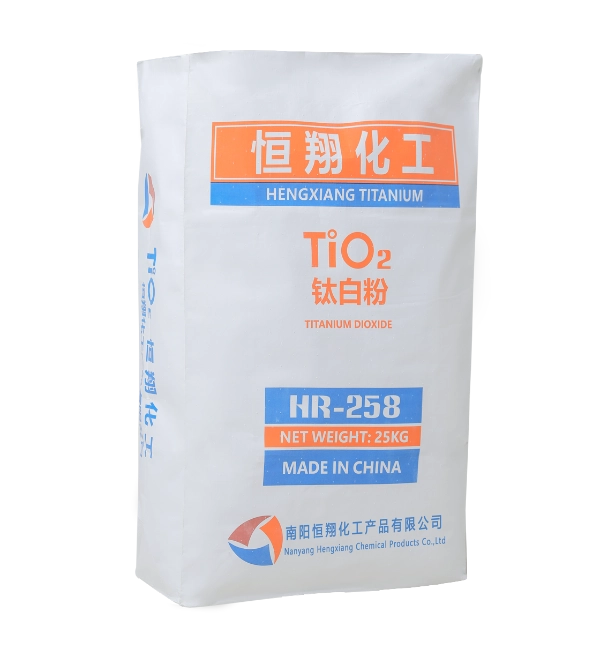
HR-258 ist ein oberflächenmodifiziertes Rutil-Titandioxid mit ausgezeichneter Weiße, Glanz, Dispergierbarkeit, Deckkraft und Wetterbeständigkeit. Geeignet für Beschichtungen, Kunststoffe, Straßenmarkierungen, Gummi, Leder, Farbkonzentrate sowie lösungsmittelbasierte und Eisen-Druckfarben – ideal für Anwendungen in verschiedenen Branchen.
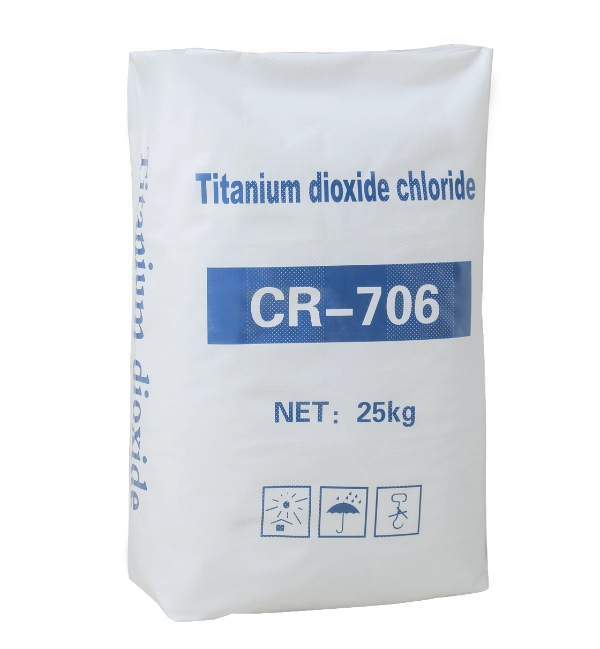
CR706 ist bekannt für seine außergewöhnliche Dispergierbarkeit, hohen Glanz, starke Deckkraft und bläulichen Unterton. Es handelt sich um ein herausragendes Rutil-Titandioxid mit überlegener anorganischer Oberflächenbehandlung für hervorragende Wetterbeständigkeit. Es wird weit verbreitet in Architektur- und Industriebeschichtungen, sowohl im Innen- als auch im Außenbereich, sowie in Straßenmarkierungen und Beschilderungen eingesetzt.
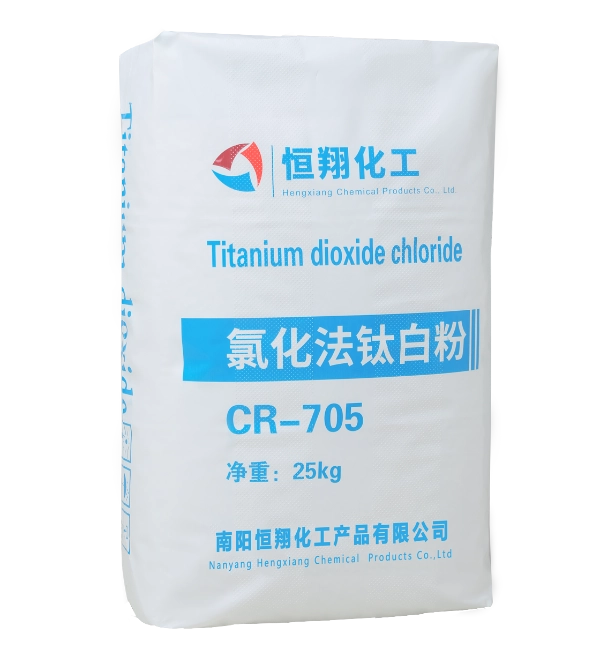
CR705 ist ein im Chloridverfahren hergestelltes Titandioxid mit bläulichem Unterton, hoher Helligkeit und ausgezeichneter Wetterbeständigkeit. Vielseitig einsetzbar für Beschichtungen, Druckfarben, Straßenmarkierungen und Kunststoffe – einschließlich Architektur-Oberflächen, Automobil-OEM, industrielle Antikorrosionsbeschichtungen, Tief- und Offsetdruckfarben, technische Kunststoffe, TiO₂-Masterbatch-Anwendungen sowie Titandioxid für Masterbatch-Lösungen.
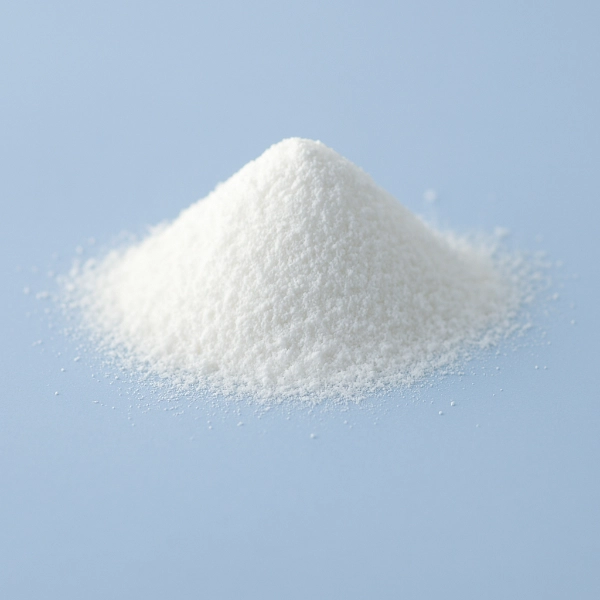
TiO₂ is the chemical formula for titanium dioxide. It’s a very common white powder that looks a bit like ultra‑fine white chalk dust. It has no smell or taste, and it’s well‑known for its bright whiteness and strong ability to make things look more opaque.
TiO2 is often found in many common products, though the specific purpose can vary by industry. You can think of it as a “white base layer” that helps a product look cleaner, whiter, and more even.
It’s one of the most widely used and trusted white pigments worldwide.
What are the two types of TiO2?
What are the two types of TiO2?
Titanium dioxide mainly exists in two crystal forms: rutile and anatase. Rutile TiO2 is the more stable form, with stronger hiding power and better resistance to weather, so it is widely used in outdoor coatings and plastics. Anatase TiO2 has lower opacity and is often chosen for indoor paints, paper, and certain specialty applications.
Application Uses
What is titanium dioxide used for?
What is titanium dioxide used for?
Titanium dioxide is mainly used as a white pigment to make products brighter, more opaque, and durable. You’ll find it in paints, plastics, paper, inks, and textiles, where it helps improve whiteness and appearance. It’s also common in packaging, cosmetics, and other applications that require UV protection.
Other Related Questions
What do you do with pigment powder?
What do you do with pigment powder?
Pigment powder is used to provide color, whiteness, and opacity. It is mixed with binders or resins to make products such as paints, plastics, rubber, paper, and printing inks, improving appearance and coverage at a lower cost.
What is the process of TiO2 production?
What is the process of TiO2 production?
Titanium dioxide is mainly produced using two methods: the sulfate process and the chloride process.
Sulfate process: Titanium ores are dissolved in sulfuric acid and processed to yield TiO₂. It’s the older method and still widely used, though it generates more waste.
Chloride process: Titanium ores like rutile or ilmenite are reacted with chlorine at high temperatures to form titanium tetrachloride (TiCl₄), which is purified and oxidized into TiO₂. This method produces a purer pigment and is generally more environmentally friendly.
Together, these methods supply TiO2 used in paints, plastics, paper, textiles, rubber and many other products.