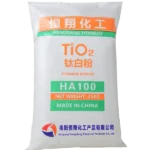
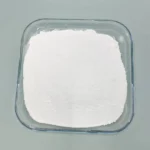
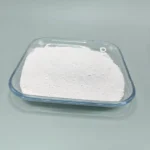
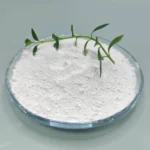
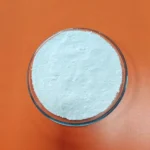
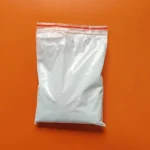
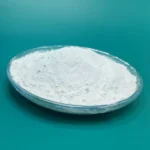
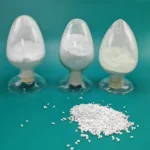
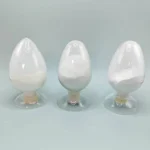
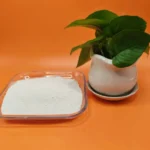
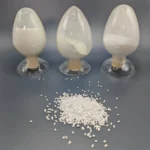
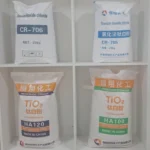
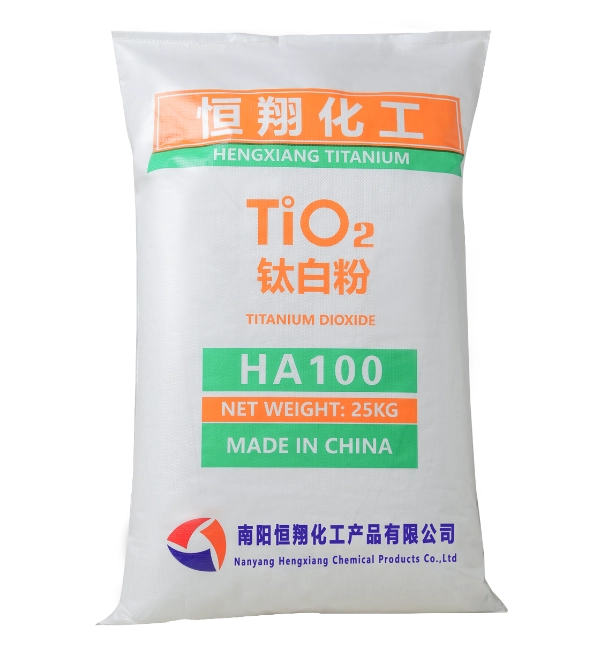
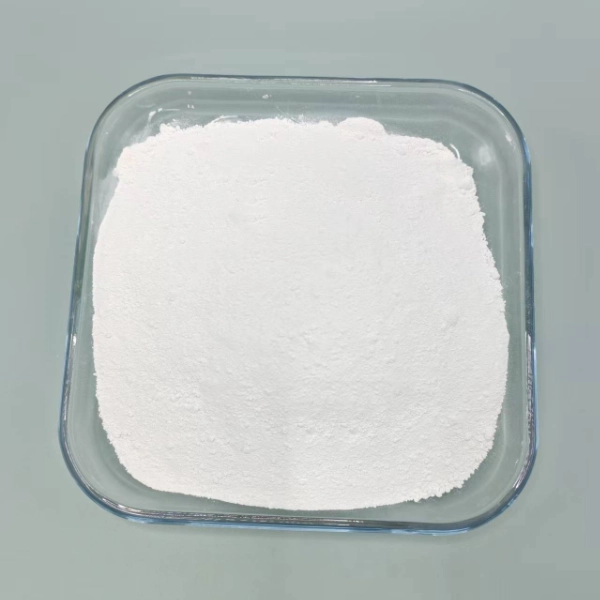
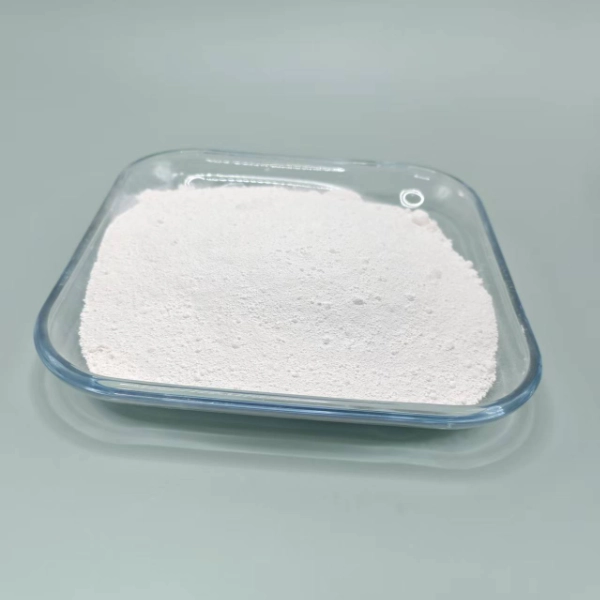
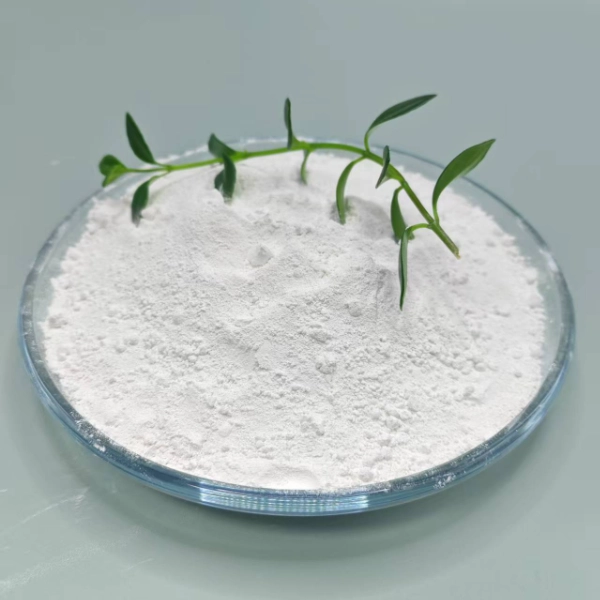
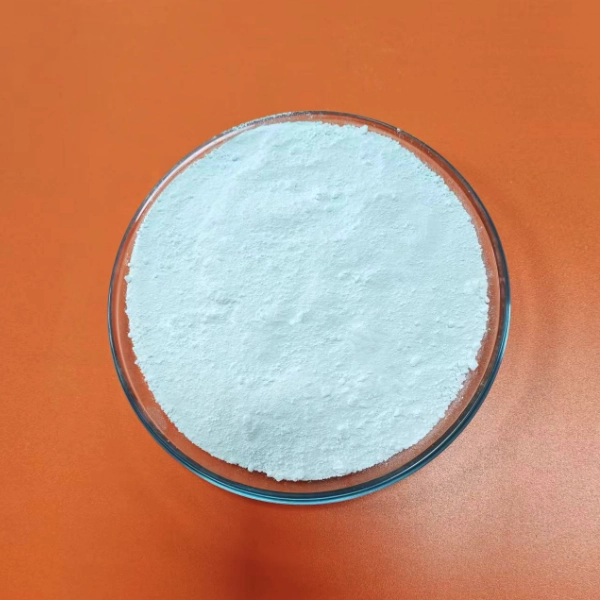
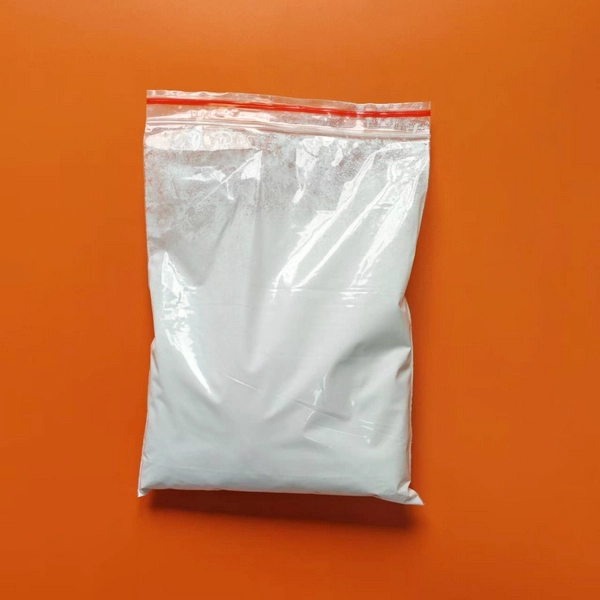
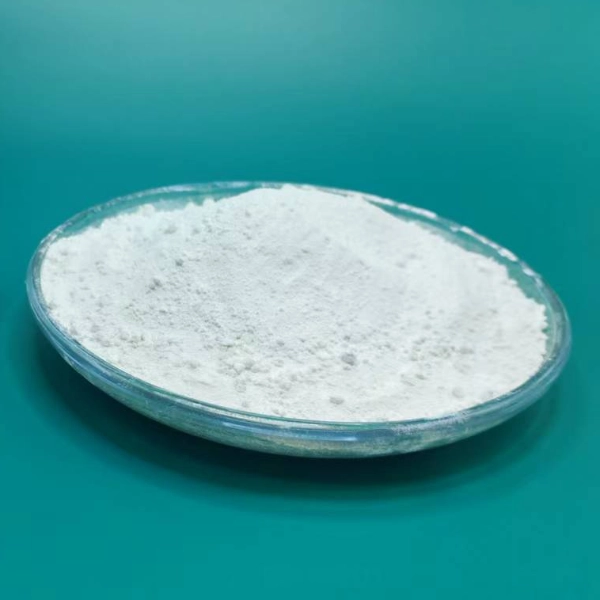
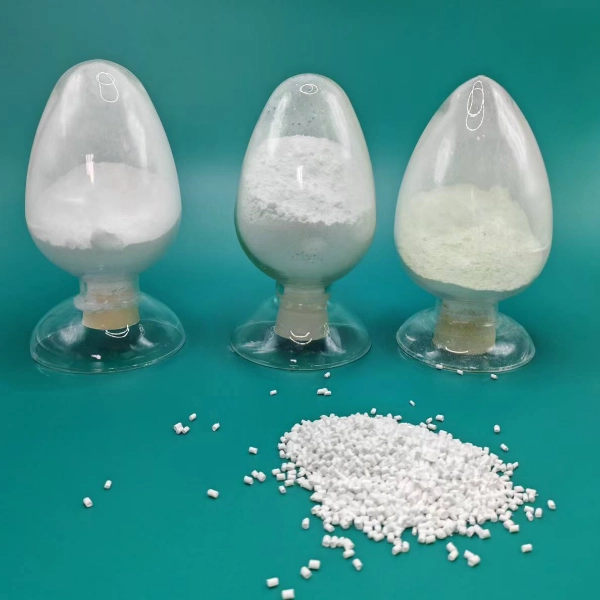
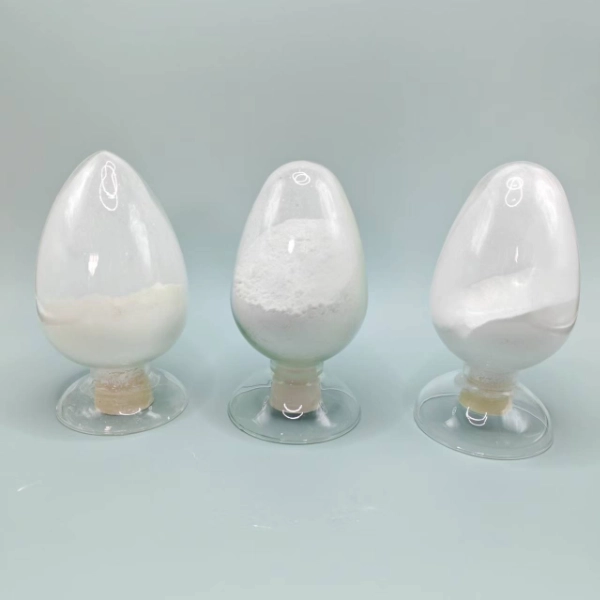
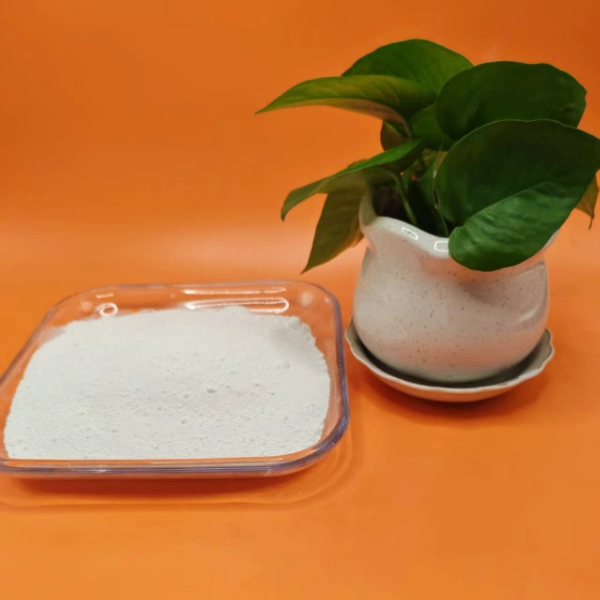
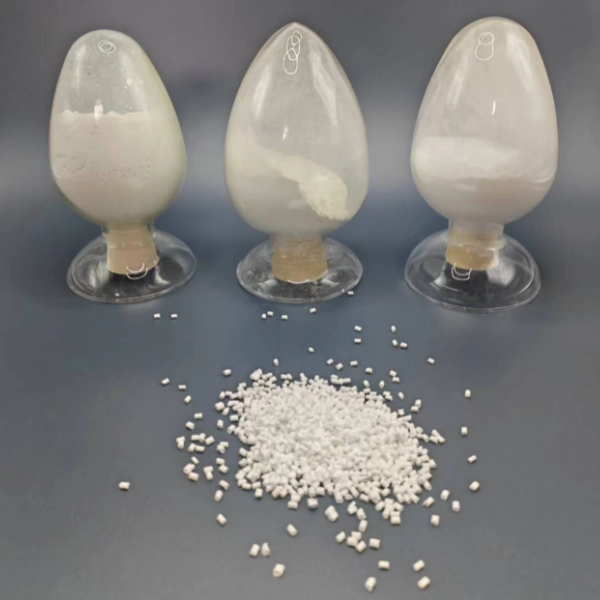
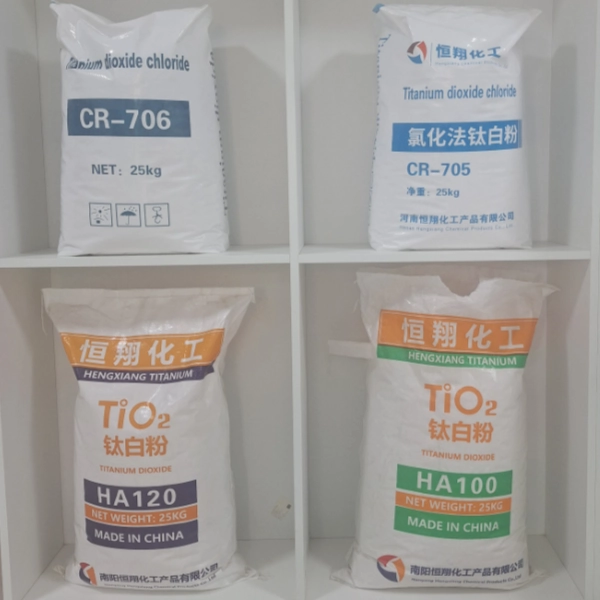
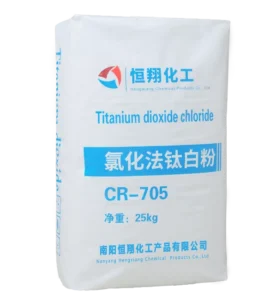
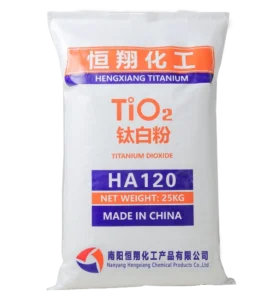
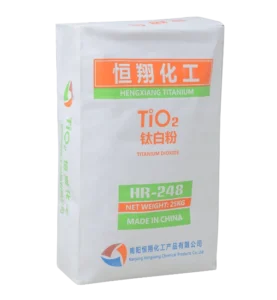
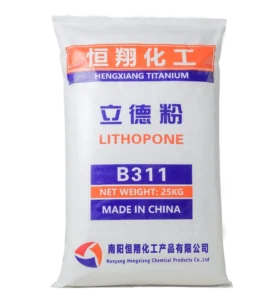
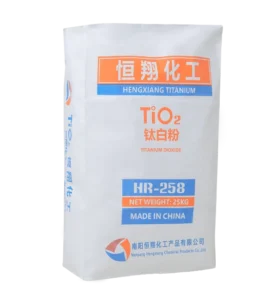
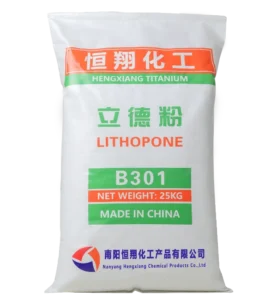
HA-100 is an anatase titanium dioxide pigment produced by the sulfate process. It features high purity, a well-controlled particle size distribution, high whiteness, reliable hiding power, and excellent dispersion. The product is suitable for interior wall coatings & paint, indoor plastic pipes and films, indoor-use TiO2 masterbatch, textiles, paper, rubber products, and titanate production.
Show more +Show less -
Anatase TiO₂ pigment · High purity · Fine particle size · Strong hiding power · for indoor coatings, films, plastics masterbatch & rubber
High purity ensures stable chemical properties, supporting consistent quality in coatings, TiO2 masterbatch, and plastic film applications.
Fine and uniform particle size distribution improves gloss and surface smoothness, enhancing the appearance of interior wall paints and decorative finishes.
Excellent pigment performance delivers strong hiding power and bright whiteness, ideal for achieving high coverage in indoor coatings and plastic pipes.
Superior dispersibility allows easy integration into both aqueous and solvent-based systems, ensuring uniform color in masterbatch and rubber formulations.
Strong tint-reducing power enhances color strength and reduces the need for additional pigments in colored films and rubber products.
Consistent whiteness and brightness improve visual appeal and printability in paper, leather, and porcelain applications.
Versatile compatibility with multiple substrates makes it suitable for use in titanic enamel, ceramics, and other specialty formulations.
Trade Term:
EXW, FOB, CFR, CIF, CIP, DAP, DDU, DDP, DPT
Payment Term:
T/T, L/C
Mode of Transport:
Sea Freight, Air Freight, Rail Transport, Road Transport, Multimodal Transport
TiO₂ is the chemical formula for titanium dioxide. It’s a very common white powder that looks a bit like ultra‑fine white chalk dust. It has no smell or taste, and it’s well‑known for its bright whiteness and strong ability to make things look more opaque.
TiO2 is often found in many common products, though the specific purpose can vary by industry. You can think of it as a “white base layer” that helps a product look cleaner, whiter, and more even.
It’s one of the most widely used and trusted white pigments worldwide.
What is titanium dioxide anatase?
What is anatase TiO2?
Anatase titanium dioxide is a form of TiO₂ known for its lighter and brighter appearance. It has higher brightness but lower weather resistance than rutile, so it is mainly used in indoor products.
Anatase TiO2 is widely used in paper, inks, plastics, rubber, ceramics, and in certain cosmetic, food‑grade, and pharmaceutical‑grade products. It is also used in photocatalytic materials where good whiteness and easy dispersion are important.
What are the two types of TiO2?
What are the two types of TiO2?
Titanium dioxide mainly exists in two crystal forms: rutile and anatase. Rutile TiO2 is the more stable form, with stronger hiding power and better resistance to weather, so it is widely used in outdoor coatings and plastics. Anatase TiO2 has lower opacity and is often chosen for indoor paints, paper, and certain specialty applications.
What is TiO2 in inks?
Understanding the Use of Titanium Dioxide in Printing Inks
Titanium dioxide (TiO2) is the primary white pigment used in the ink industry to provide essential opacity, brightness, and a solid base for color printing. It works by scattering light, which allows the ink layer to fully hide the substrate—whether it’s dark plastic film, metallic foil, or recycled paper. Without high-quality TiO2, white inks would remain transparent, and colors would appear dull or faded on non-white surfaces. In professional formulations, choosing a rutile grade is the key to achieving a “stark white” finish with minimal ink consumption.
TiO2 Application Uses
What is titanium dioxide used for?
What is titanium dioxide used for?
Titanium dioxide is mainly used as a white pigment to make products brighter, more opaque, and durable. You’ll find it in paints, plastics, paper, inks, and textiles, where it helps improve whiteness and appearance. It’s also common in packaging, cosmetics, and other applications that require UV protection.
What is titanium dioxide anatase used for?
What is titanium dioxide anatase used for?
Anatase titanium dioxide is known for its softer brightness and good dispersibility. It is widely used in textiles as a delustering agent, where it reduces fiber gloss and gives fabrics a more natural appearance.
Outside of textiles, anatase TiO2 is also used in paper, plastics, ceramics, and certain specialty coatings. It is commonly found in food and pharmaceutical products, such as tablets and vitamins, as well as in animal feed, where a mild and uniform whitening effect is needed.
Compared with rutile TiO2, anatase offers a gentler whitening effect, which makes it especially suitable for fibers, consumer products, and applications that require a clean, natural look.
TiO2 Other Related Questions
What do you do with pigment powder?
What do you do with pigment powder?
Pigment powder is used to provide color, whiteness, and opacity. It is mixed with binders or resins to make products such as paints, plastics, rubber, paper, and printing inks, improving appearance and coverage at a lower cost.
What is the process of TiO2 production?
What is the process of TiO2 production?
Titanium dioxide is mainly produced using two methods: the sulfate process and the chloride process.
Sulfate process: Titanium ores are dissolved in sulfuric acid and processed to yield TiO₂. It’s the older method and still widely used, though it generates more waste.
Chloride process: Titanium ores like rutile or ilmenite are reacted with chlorine at high temperatures to form titanium tetrachloride (TiCl₄), which is purified and oxidized into TiO₂. This method produces a purer pigment and is generally more environmentally friendly.
Together, these methods supply TiO2 used in paints, plastics, paper, textiles, rubber and many other products.