루틸형 이산화 티타늄 TiO2

rutile tio2 structure, titanium dioxide rutile tio2, rutile powder, titanium oxide rutile

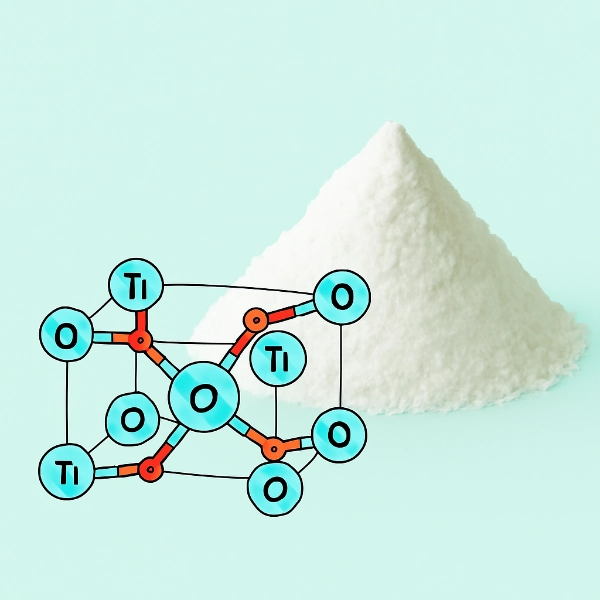
루틸형 이산화 티타늄(TiO₂)은 높은 불투명도, 우수한 자외선 차단 성능, 뛰어난 내구성으로 신뢰받는 결정형 백색 안료입니다. 치밀한 결정 구조와 높은 굴절률을 갖춘 루틸형 TiO₂는 탁월한 백색도와 광택을 제공하며, 까다로운 환경에서도 장기간 안정적인 성능을 발휘합니다.

주요 적용 분야: 야외용 코팅제, 플라스틱 제품, 마스터배치, 세라믹 유약, 건축 자재, 잉크, 종이, 화장품 등. 핵심 특성: 햇빛, 습기, 열에 대한 뛰어난 안정성으로 건축용 페인트, 자동차 도장재, 분체 코팅, PVC 프로파일, 지붕 시트, 내후성 플라스틱 등 고성능 응용 분야에 최적화되어 있습니다. 산업 및 소비재 전반에서 필수적인 루틸형 이산화티타늄은 안정적인 색상 유지, 표면 보호, 제품 수명 연장을 보장하는 고품질 백색 안료입니다.

루틸형 이산화 티타늄(TiO₂)은 높은 불투명도, 우수한 자외선 차단 성능, 뛰어난 내구성으로 신뢰받는 결정형 백색 안료입니다. 치밀한 결정 구조와 높은 굴절률을 갖춘 루틸형 TiO₂는 탁월한 백색도와 광택을 제공하며, 까다로운 환경에서도 장기간 안정적인 성능을 발휘합니다.

주요 적용 분야: 야외용 코팅제, 플라스틱 제품, 마스터배치, 세라믹 유약, 건축 자재, 잉크, 종이, 화장품 등. 핵심 특성: 햇빛, 습기, 열에 대한 뛰어난 안정성으로 건축용 페인트, 자동차 도장재, 분체 코팅, PVC 프로파일, 지붕 시트, 내후성 플라스틱 등 고성능 응용 분야에 최적화되어 있습니다. 산업 및 소비재 전반에서 필수적인 루틸형 이산화티타늄은 안정적인 색상 유지, 표면 보호, 제품 수명 연장을 보장하는 고품질 백색 안료입니다.

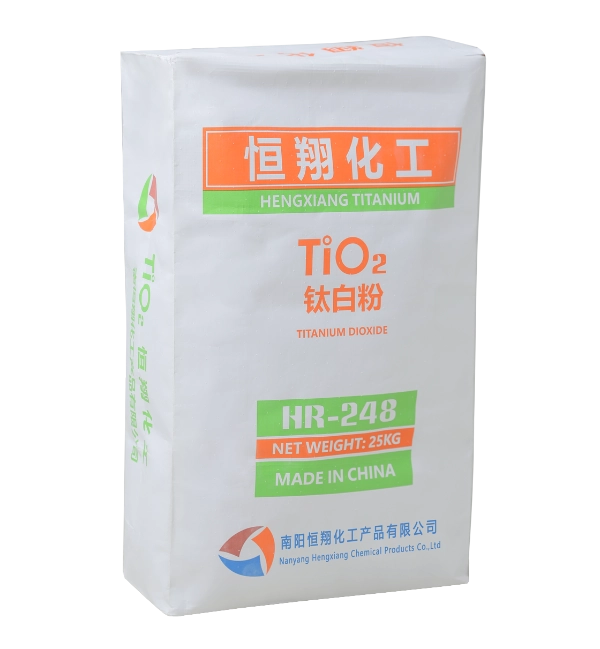
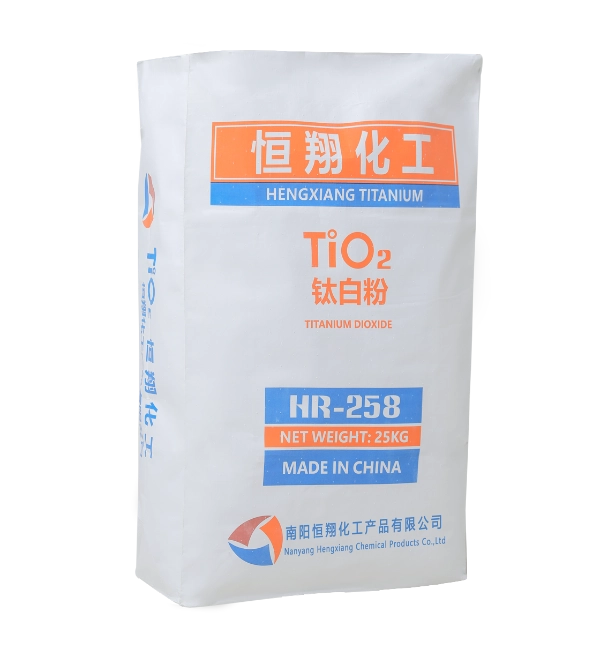
25kg 산업용 포장 루틸형 이산화티타늄, 황산법 TiO₂, 중국 헝샹 티타늄

루틸형 이산화티타늄 HR248

HR-248은 황산 공정으로 생산된 루틸 등급으로, 미세한 입자 크기와 높은 광택을 특징으로 합니다. 수입된 샌드 밀을 사용한 습식 분쇄 공정을 통해 제조되며, 치밀한 알루미나와 실리카로 표면 처리되어 우수한 내후성과 내구성을 제공합니다.

HR-248은 PVC, 코팅, 에칭 잉크, 도로 표시 라인, 제지 분야에서 널리 사용되며, 특히 마스터배치 응용에 적합합니다. 고성능 마스터배치용 이산화티타늄으로서 강력한 은폐력, 밝기, 분산성을 보장합니다. 따라서 일관된 품질과 장기적인 안정성이 요구되는 이산화티타늄 마스터배치(TiO₂ 마스터배치) 조성에 이상적인 선택입니다.

더 보기 루틸형 이산화티타늄 HR248
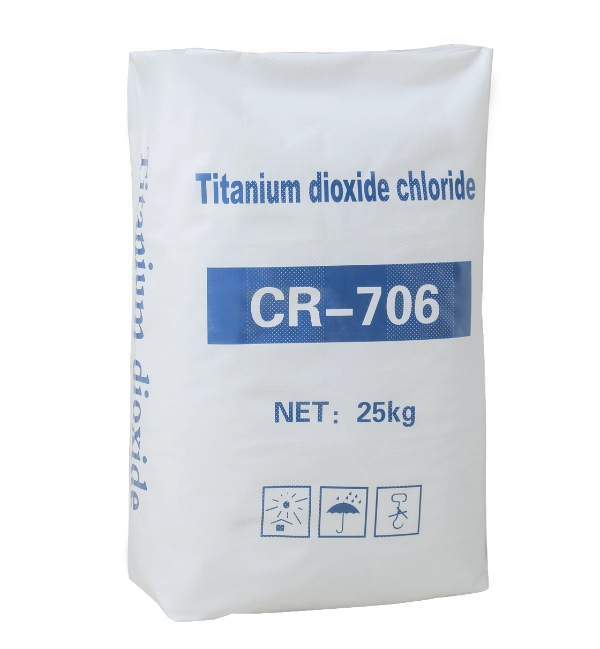
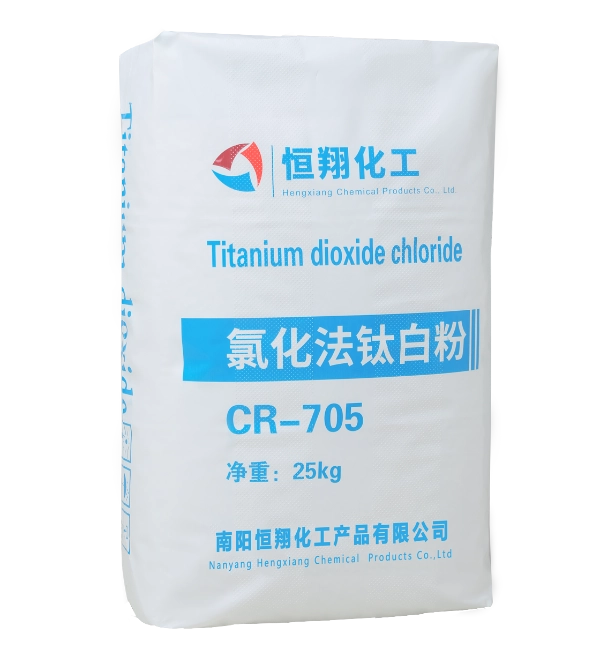
CR705 티타늄디옥사이드 안료 · 염화법 루틸형 · 25KG 산업용 포장

루틸 이산화 티타늄 (Rutile TiO2) CR705

CR705는 염화법으로 생산된 청색 기조를 가진 이산화티타늄으로, 높은 밝기와 우수한 내후성을 제공합니다. 코팅, 잉크, 도로 포장 표시 및 플라스틱에 다양하게 사용되며, 건축 마감재, 자동차 OEM, 산업용 방청 코팅, 그라비어 및 옵셋 잉크, 엔지니어링 플라스틱, TiO₂ 마스터배치 응용 및 마스터배치 솔루션용 이산화티타늄에 적합합니다.

더 보기 루틸 이산화 티타늄 (Rutile TiO2) CR705

루틸형 이산화 티타늄 TiO2 Basics

What is titanium dioxide rutile?

What is rutile titanium dioxide?

Rutile titanium dioxide is the rutile crystal form of TiO₂, widely recognized as the most stable and durable type of titanium dioxide. It provides excellent hiding power, strong resistance to ultraviolet light, and high durability under outdoor conditions.

Because of these properties, rutile TiO2 is commonly chosen as a white pigment in coatings, plastics, and other demanding applications. It is regarded worldwide as a reliable material that delivers consistent performance over time.

Application Uses

What is titanium dioxide rutile used for?

What is titanium dioxide rutile used for?

Rutile titanium dioxide is widely used because of its excellent durability, strong opacity, and resistance to weathering. These properties make it a preferred choice for outdoor applications such as architectural and industrial coatings, plastics, and construction materials, where long-term performance matters.

It is also commonly found in packaging materials, automotive coatings, printing inks, and synthetic fibers, helping deliver consistent whiteness, opacity, and protection over time.

Performance & Properties

What is the TiO2 content of rutile?

What is the TiO2 content of rutile?

Rutile titanium dioxide pigment typically contains about 92–98% TiO₂, with the rest made up of small amounts of zirconia and alumina coatings, and sometimes silica or other surface treatments to improve durability and dispersion.

Other Related Questions

What is the difference between anatase and rutile tio2?

What is the difference between rutile and anatase TiO2?

Rutile and anatase are two different crystal forms of titanium dioxide (TiO₂). They share the same chemical composition, but their crystal structures give them distinct properties and uses.

Rutile is the most stable form, with a higher refractive index and stronger UV resistance. These qualities make it the preferred choice for outdoor coatings, plastics, and other applications that demand long‑lasting whiteness and durability.

Anatase, by contrast, is less stable but has excellent dispersibility and unique photocatalytic activity. Because of these traits, anatase is often used in specialized applications such as self‑cleaning surfaces, solar cells, and certain indoor coatings. It has also been the primary crystal form used in food‑grade titanium dioxide (E171) as a coloring agent, though regulations on food use vary by region.

In brief, rutile is valued for stability and durability, while anatase is chosen for its reactivity, dispersibility, and in some cases food coloring applications.