มาสเตอร์แบตช์

Titanium Dioxide for Masterbatch, TiO2 Masterbatch, Titanium Dioxide Used in Plastic, PP master batch

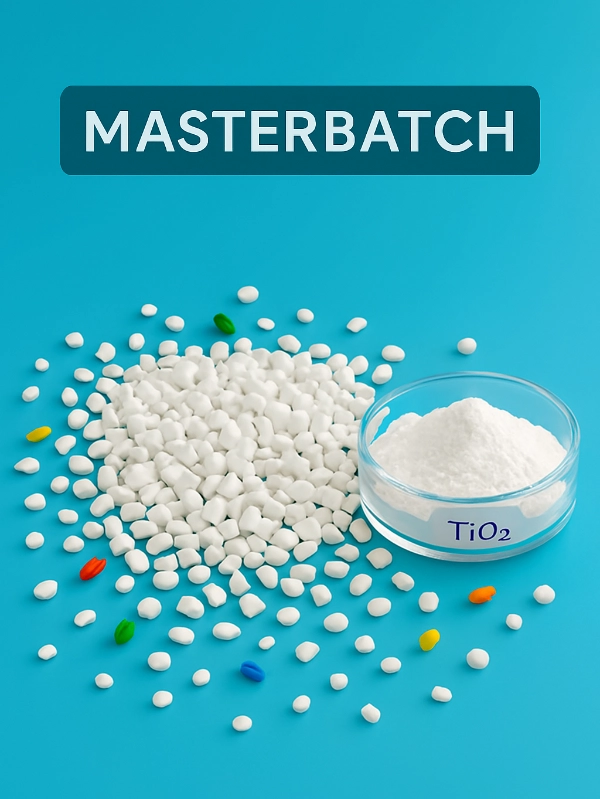
มาสเตอร์แบทช์พลาสติกเป็นส่วนผสมเข้มข้นของเม็ดสี ไทเทเนียมไดออกไซด์ (TiO₂) และสารเติมแต่งที่มีหน้าที่เฉพาะ ซึ่งถูกห่อหุ้มอยู่ในเรซินพอลิเมอร์ TiO₂ มาสเตอร์แบทช์ของเราถูกนำมาใช้อย่างแพร่หลายในกระบวนการแปรรูปพลาสติก เช่น การเป่าฟิล์ม การฉีดขึ้นรูป และการอัดรีด เพื่อเพิ่มสี ความทึบ ความทนทานต่อรังสี UV และสมรรถนะโดยรวม

เรามีโซลูชันสำหรับระบบเรซินที่หลากหลาย รวมถึงมาสเตอร์แบทช์ที่ใช้โพลิโอเลฟิน (PE, PP) สำหรับฟิล์ม ท่อ และผลิตภัณฑ์ฉีดขึ้นรูป มาสเตอร์แบทช์ที่ใช้โพลิเมอร์วิศวกรรม (ABS, PC, PA, PBT) สำหรับชิ้นส่วนยานยนต์และอิเล็กทรอนิกส์ที่ต้องการความทนทานและความต้านทานแรงกระแทก และมาสเตอร์แบทช์ PET สำหรับขวด บรรจุภัณฑ์ และเส้นใย ที่ต้องการความโปร่งใสและความปลอดภัยในระดับอาหาร

ไทเทเนียมไดออกไซด์มีบทบาทสำคัญในสูตรสีขาว โดยให้ความขาวสูง การกระจายตัวที่ดีเยี่ยม และความเสถียรทางความร้อน การใช้งานครอบคลุมถึงบรรจุภัณฑ์ สินค้าในครัวเรือน ชิ้นส่วนยานยนต์ และพลาสติกวิศวกรรม

มาสเตอร์แบทช์พลาสติกเป็นส่วนผสมเข้มข้นของเม็ดสี ไทเทเนียมไดออกไซด์ (TiO₂) และสารเติมแต่งที่มีหน้าที่เฉพาะ ซึ่งถูกห่อหุ้มอยู่ในเรซินพอลิเมอร์ TiO₂ มาสเตอร์แบทช์ของเราถูกนำมาใช้อย่างแพร่หลายในกระบวนการแปรรูปพลาสติก เช่น การเป่าฟิล์ม การฉีดขึ้นรูป และการอัดรีด เพื่อเพิ่มสี ความทึบ ความทนทานต่อรังสี UV และสมรรถนะโดยรวม

เรามีโซลูชันสำหรับระบบเรซินที่หลากหลาย รวมถึงมาสเตอร์แบทช์ที่ใช้โพลิโอเลฟิน (PE, PP) สำหรับฟิล์ม ท่อ และผลิตภัณฑ์ฉีดขึ้นรูป มาสเตอร์แบทช์ที่ใช้โพลิเมอร์วิศวกรรม (ABS, PC, PA, PBT) สำหรับชิ้นส่วนยานยนต์และอิเล็กทรอนิกส์ที่ต้องการความทนทานและความต้านทานแรงกระแทก และมาสเตอร์แบทช์ PET สำหรับขวด บรรจุภัณฑ์ และเส้นใย ที่ต้องการความโปร่งใสและความปลอดภัยในระดับอาหาร

ไทเทเนียมไดออกไซด์มีบทบาทสำคัญในสูตรสีขาว โดยให้ความขาวสูง การกระจายตัวที่ดีเยี่ยม และความเสถียรทางความร้อน การใช้งานครอบคลุมถึงบรรจุภัณฑ์ สินค้าในครัวเรือน ชิ้นส่วนยานยนต์ และพลาสติกวิศวกรรม

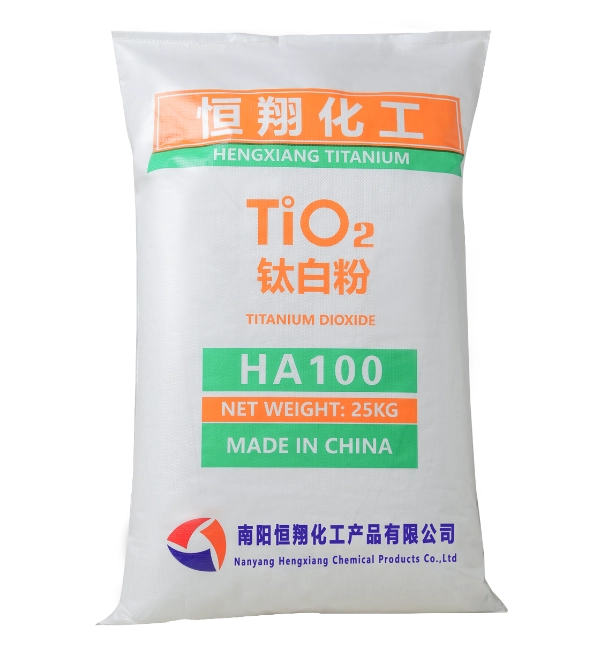
ไทเทเนียมไดออกไซด์ชนิดอนาเทส HA100

ไทเทเนียมไดออกไซด์ชนิดอนาเทส HA100 TiO₂

HA-100 เป็นเม็ดสีไทเทเนียมไดออกไซด์ชนิดอนาเทสที่มีความบริสุทธิ์สูง การกระจายขนาดอนุภาคละเอียด และสมรรถนะที่ยอดเยี่ยม ให้กำลังการปกปิดสูง ความขาวโดดเด่น และการกระจายตัวที่เหนือกว่า เหมาะสำหรับสียเคลือบผนังภายใน ท่อพลาสติกภายใน ฟิล์ม ยาง หนัง กระดาษ เคลือบไททาเนต เครื่องเคลือบพอร์ซเลน และการใช้งานมาสเตอร์แบทช์ไทเทเนียมไดออกไซด์

Read Moreไทเทเนียมไดออกไซด์ชนิดอนาเทส HA100 TiO₂
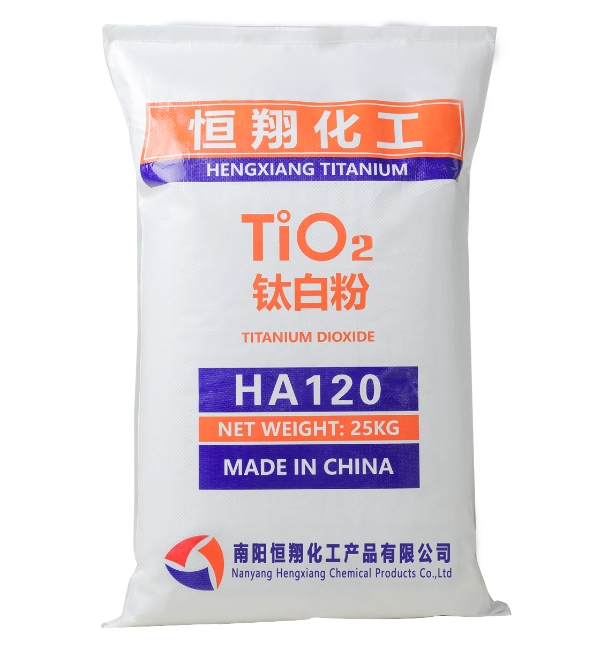
ผู้ผลิตไทเทเนียมไดออกไซด์จากประเทศจีน ชนิดอนาเทส HA120 กระบวนการซัลเฟต

ไทเทเนียมไดออกไซด์ชนิดอนาเทส HA120

HA-120 เป็นไทเทเนียมไดออกไซด์ชนิดอนาเทสแบบอเนกประสงค์ ที่ให้ความขาวดีเยี่ยม กำลังการปกปิดสูง ความเงางาม และการกระจายตัวที่มีประสิทธิภาพ มีการดูดซับน้ำมันต่ำและทนต่อสภาพอากาศได้ดีเยี่ยม ใช้หลักในงานสียเคลือบผนังภายใน ท่อพลาสติกภายใน ฟิล์ม ยาง หนัง กระดาษ การเตรียมไททาเนต และการใช้งานมาสเตอร์แบทช์ไทเทเนียมไดออกไซด์

Read Moreไทเทเนียมไดออกไซด์ชนิดอนาเทส HA120
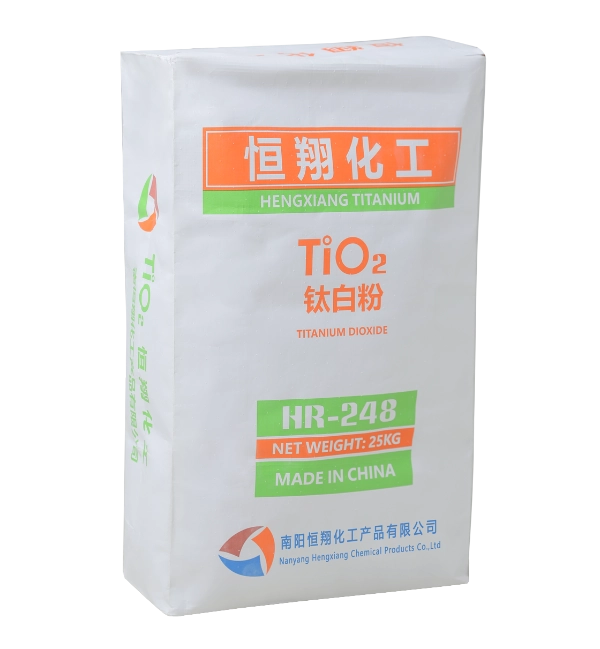
ถุงอุตสาหกรรม 25กก. ไทเทเนียมไดออกไซด์ชนิดรูไทล์ กระบวนการซัลเฟต ผลิตจากประเทศจีน HengXiang Titanium

ไทเทเนียมไดออกไซด์ชนิดรูไทล์ HR248

ไทเทเนียมไดออกไซด์ HR-248 เป็นชนิดรูไทล์ที่ผลิตด้วยกระบวนการซัลเฟต มีขนาดอนุภาคละเอียดและให้ความเงางามสูง ผลิตโดยใช้เครื่องบดทรายที่นำเข้าเพื่อการบดเปียก เคลือบผิวด้วยอะลูมินาและซิลิกาอย่างหนาแน่น ทำให้มีความทนทานต่อสภาพอากาศและมีความคงทนสูง

HR-248 ถูกใช้อย่างแพร่หลายใน PVC สียเคลือบ หมึกกัดกรด กระดาษ เส้นตีถนน และโดยเฉพาะในงานมาสเตอร์แบทช์ ในฐานะที่เป็นไทเทเนียมไดออกไซด์สมรรถนะสูงสำหรับมาสเตอร์แบทช์ จึงให้กำลังการปกปิดที่ดีเยี่ยม ความสว่าง และการกระจายตัวที่มีประสิทธิภาพ ทำให้เป็นตัวเลือกที่เหมาะสมสำหรับสูตรมาสเตอร์แบทช์ไทเทเนียมไดออกไซด์ (TiO₂ masterbatch) ที่ต้องการคุณภาพที่สม่ำเสมอและความเสถียรในระยะยาว

Read Moreไทเทเนียมไดออกไซด์ชนิดรูไทล์ HR248
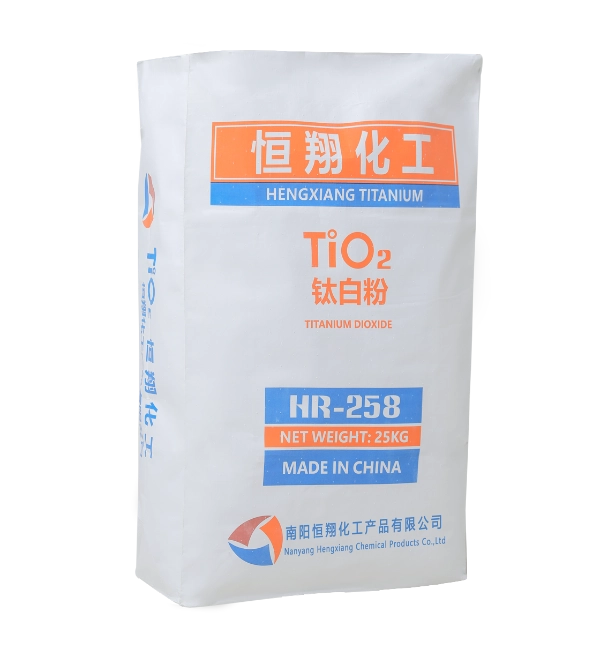
ไทเทเนียมไดออกไซด์ HR258 รูไทล์ TiO2 ทางเลือกแทนไทเทเนียมไดออกไซด์ R288

ไทเทเนียมไดออกไซด์ชนิดรูไทล์ HR258 TiO₂

HR-258 เป็นไทเทเนียมไดออกไซด์ชนิดรูไทล์ที่ผ่านการปรับผิว มีความขาว ความเงางาม การกระจายตัว ความทึบแสง และความทนทานต่อสภาพอากาศที่ยอดเยี่ยม เหมาะสำหรับการใช้งานในสียเคลือบ พลาสติก เส้นตีถนน ยาง หนัง เพสต์สี และหมึกชนิดตัวทำละลายรวมถึงหมึกพิมพ์โลหะ จึงเหมาะอย่างยิ่งสำหรับการใช้งานในหลายอุตสาหกรรม

Read Moreไทเทเนียมไดออกไซด์ชนิดรูไทล์ HR258 TiO₂
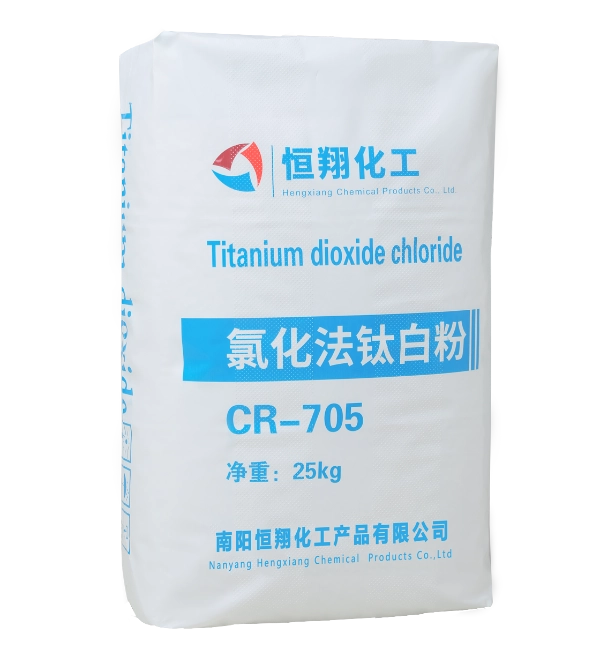
บรรจุภัณฑ์อุตสาหกรรม ไทเทเนียมไดออกไซด์เม็ดสี CR705 ชนิดรูไทล์ กระบวนการคลอไรด์ ถุง 25 กิโลกรัม

ไทเทเนียมไดออกไซด์ชนิดรูไทล์ CR705

CR705 เป็นไทเทเนียมไดออกไซด์ (TiO₂) ชนิดรูไทล์ที่ผลิตด้วยกระบวนการคลอไรด์ มีโทนสีน้ำเงิน ความสว่างสูง และความทนทานต่อสภาพอากาศที่ยอดเยี่ยม สามารถใช้งานได้หลากหลายทั้งในการเคลือบ สี หมึก เครื่องหมายบนพื้นถนน และพลาสติก รวมถึงงานตกแต่งสถาปัตยกรรม ยานยนต์ OEM การเคลือบอุตสาหกรรมป้องกันการกัดกร่อน หมึกกราวัวร์และออฟเซ็ต พลาสติกวิศวกรรม การใช้งานมาสเตอร์แบทช์ TiO₂ และโซลูชันไทเทเนียมไดออกไซด์สำหรับมาสเตอร์แบทช์

Read Moreไทเทเนียมไดออกไซด์ชนิดรูไทล์ CR705

Application Uses

What is TiO2 used for in polymers?

What is TiO2 used for in polymers?

Titanium dioxide is widely used in polymers as a white pigment and performance booster. It gives plastics a bright, opaque appearance and helps protect them from sunlight by blocking UV radiation. This improves color stability, prevents yellowing, and extends the life of polymer products. TiO2 is found in everyday items such as packaging, films, pipes, and window profiles, where both appearance and durability are important.

What is the use of titanium dioxide in plastic?

What is titanium dioxide used for in plastic?

Titanium dioxide is added to plastics to give them whiteness, opacity, and brightness. It also improves UV resistance and weatherability, helping materials keep their color and strength over time. Common applications include PVC, PE, PP, PS, PET, ABS, PC, PA, PBT, and SAN, as well as plastic masterbatch, where TiO₂ enhances appearance, prevents degradation, and extends product life in packaging, construction, automotive, and consumer goods.

What is the role of titanium dioxide in coatings?

What is the role of titanium dioxide in coatings?

Titanium dioxide is used in coatings to provide whiteness, opacity, and brightness. It delivers strong hiding power, improves UV resistance and durability, and helps coatings keep their color over time. TiO2 is essential in architectural, industrial, automotive, and protective coatings where long‑lasting appearance and performance are required.

Health & Safety

Why was titanium dioxide banned?

Why was titanium dioxide banned?

Titanium dioxide has not been banned globally. The restriction applies only to food‑grade titanium dioxide (E171) in the European Union. In 2022, the EU adopted a precautionary ban after its food safety authority concluded that the long‑term effects of ingesting very small TiO2 particles could not be fully ruled out.

This action was based on uncertainty rather than proof of harm. Other regions — including the United States, Canada, Australia, and Japan — continue to allow E171 in food when used within established safety limits.

The EU’s decision is specific to food use. Titanium dioxide used in coatings, plastics, inks, cosmetics, and other non‑food applications remains widely approved and is considered safe because it is embedded in solid materials and not ingested.

Is titanium dioxide no longer safe?

Is titanium dioxide no longer safe?

Titanium dioxide is still considered safe in most of its common uses, including coatings, plastics, inks, and cosmetics. The recent concerns mainly involve food‑grade titanium dioxide (E171), where different regions have taken different regulatory approaches.

The European Union chose to restrict E171 in food as a precaution, while countries such as the United States, Canada, Australia, and Japan continue to allow it within established safety limits. These differences reflect policy choices rather than a global scientific consensus.

In non‑food applications, where titanium dioxide is locked into a solid matrix, it remains widely approved and is not considered a health risk. Overall, there is no evidence that titanium dioxide is broadly unsafe; the discussion is specific to food use and varies by region.

Other Related Questions

What are the three types of TiO2?

What are the three forms of TiO2?

There are three main types of titanium dioxide (TiO2) based on crystal structure: rutile, anatase, and brookite.

Rutile TiO2 is the most stable and the most widely used form, commonly found in coatings, plastics, inks, and masterbatches due to its excellent opacity and durability.

Anatase TiO2 is less stable but known for its photocatalytic properties, making it suitable for photocatalysis, paper, and specialty applications.

Brookite TiO2 is the least common form and is rarely used in commercial products, appearing mainly in laboratory and research settings.

All three share the same chemical composition, but their crystal structures give them different properties. In practice, rutile dominates industrial use, anatase serves functional applications, and brookite is largely limited to research.