Plastik masterbatch

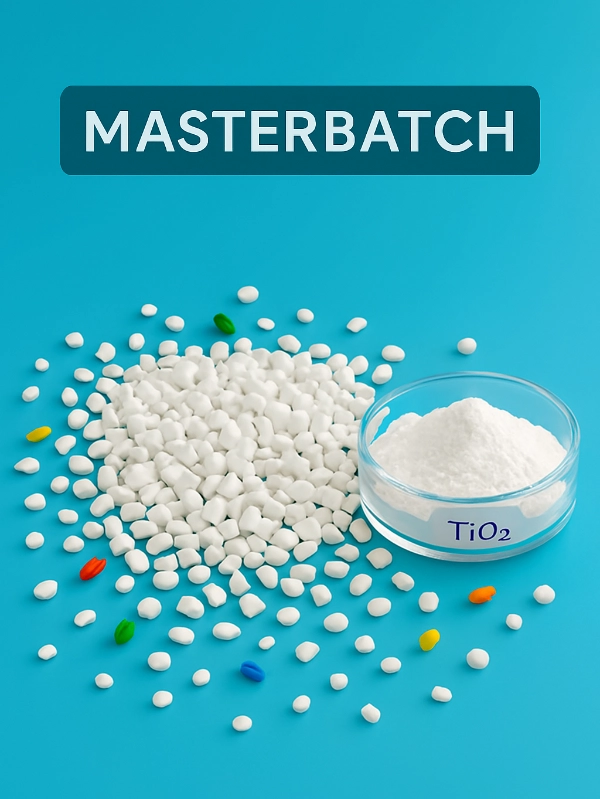
TiO2 ve titanyum dioksit tozu içeren beyaz pigment, renkli, siyah ve PP masterbatch granülleriyle plastik katkı çözümü

Plastik masterbatch, pigmentler, titanyum dioksit ve fonksiyonel katkı maddelerinin polimer taşıyıcı reçine içinde yoğunlaştırıldığı yüksek performanslı bir çözümdür. TiO2 masterbatch, film üfleme, enjeksiyon kalıplama ve ekstrüzyon gibi işlemlerde renk yoğunluğu, opaklık ve UV direnci kazandırır.

PE, PP, ABS, PC, PA, PBT ve PET bazlı masterbatch çeşitleri; ambalaj, otomotiv, elektronik ve gıda temaslı ürünlerde yaygın olarak kullanılır. Renkli, katkı ve kokulu masterbatch türleriyle uyumludur.

Beyaz masterbatch’teki titanyum dioksit, yüksek beyazlık, homojen dağılım ve ısıl kararlılık sağlayarak ürünlerin estetik ve dayanıklılığını artırır. Siyah masterbatch ile birlikte plastik endüstrisinde güvenilir bir çözüm sunar.

Plastik masterbatch, pigmentler, titanyum dioksit ve fonksiyonel katkı maddelerinin polimer taşıyıcı reçine içinde yoğunlaştırıldığı yüksek performanslı bir çözümdür. TiO2 masterbatch, film üfleme, enjeksiyon kalıplama ve ekstrüzyon gibi işlemlerde renk yoğunluğu, opaklık ve UV direnci kazandırır.

PE, PP, ABS, PC, PA, PBT ve PET bazlı masterbatch çeşitleri; ambalaj, otomotiv, elektronik ve gıda temaslı ürünlerde yaygın olarak kullanılır. Renkli, katkı ve kokulu masterbatch türleriyle uyumludur.

Beyaz masterbatch’teki titanyum dioksit, yüksek beyazlık, homojen dağılım ve ısıl kararlılık sağlayarak ürünlerin estetik ve dayanıklılığını artırır. Siyah masterbatch ile birlikte plastik endüstrisinde güvenilir bir çözüm sunar.

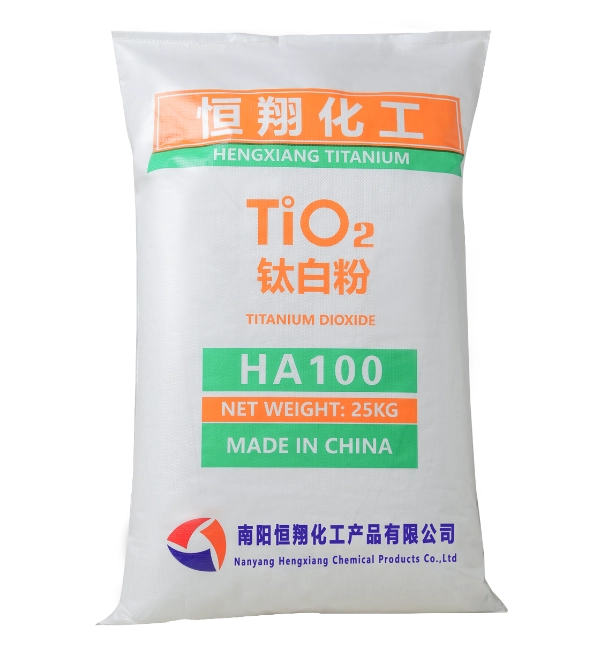
Anataz titanyum dioksit HA100

Anataz titanyum dioksit HA100

HA-100, yüksek saflık, ince parçacık boyutu dağılımı ve mükemmel performansa sahip anataz titanyum dioksit pigmentidir Güçlü örtücülük, üstün beyazlık ve üstün dağılma özelliği sunar; iç duvar kaplamaları, iç mekan plastik borular, filmler, kauçuk, deri, kâğıt, titanik emaye, porselen ve titanyum dioksit masterbatch uygulamaları için uygundur.

Read MoreAnataz titanyum dioksit HA100
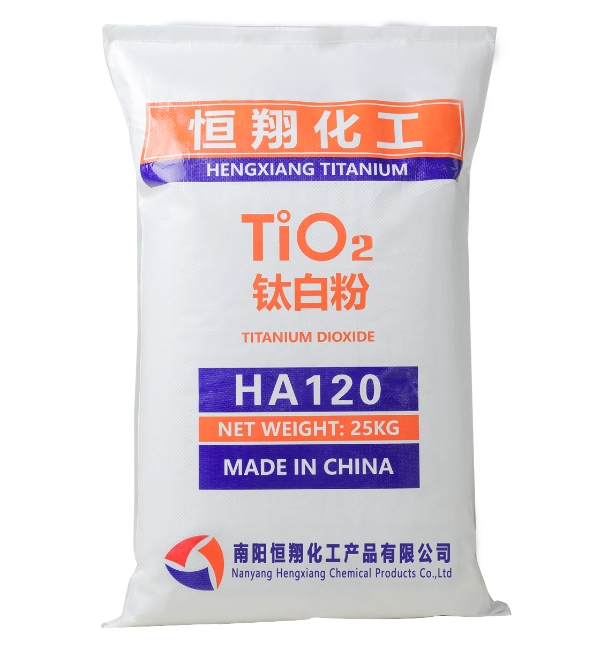
Çin titanyum dioksit üreticisi sülfat prosesi anataz TiO2 HA120

Anataz Titanyum Dioksit TiO2 HA120

HA-120, mükemmel beyazlık, yüksek örtücülük, parlaklık ve dağılabilirlik özelliklerine sahip çok amaçlı anataz titanyum dioksittir Düşük yağ emilimi ve güçlü hava koşullarına dayanıklılığı ile başlıca iç duvar kaplamalarında, iç mekan plastik borularda, filmlerde, kauçukta, deride, kağıtta, titanat üretiminde ve titanyum dioksit masterbatch uygulamalarında kullanılır

Read MoreAnataz Titanyum Dioksit TiO2 HA120
25 kg Endüstriyel Torba Rutil Dereceli Titanyum Dioksit, Sülfat Prosesi TiO₂, Çin HengXiang Titanium

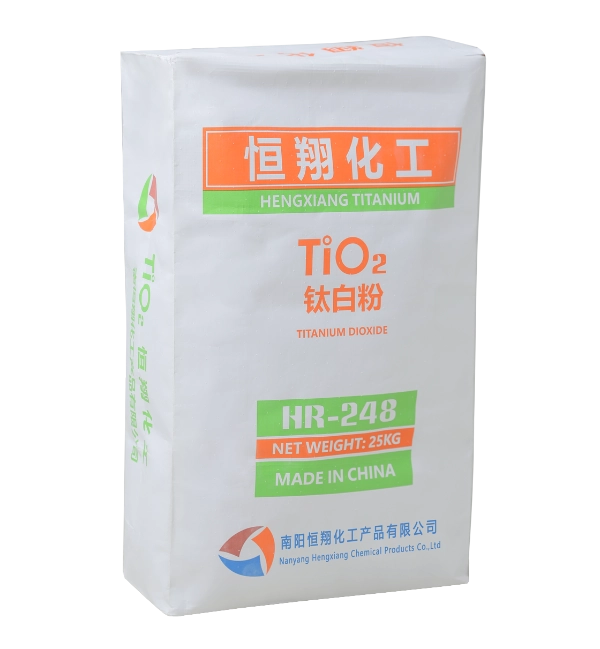
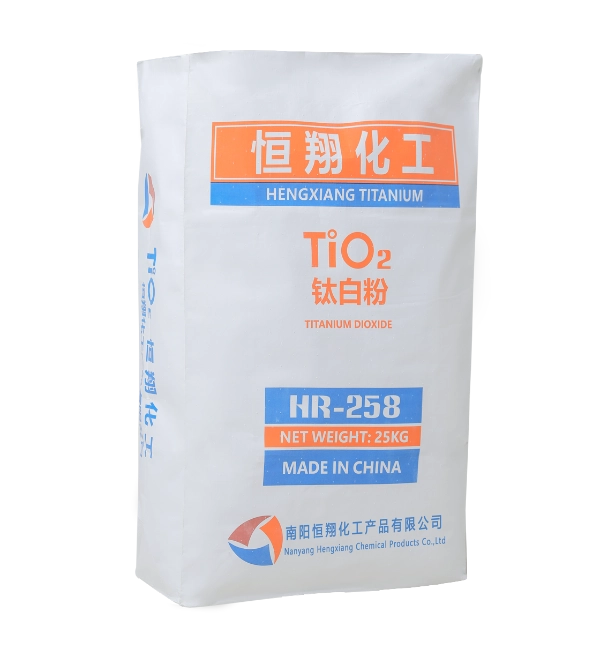
Titanyum Dioksit Rutil TiO2 HR248

Titanyum Dioksit HR-248, ince parçacık boyutuna ve yüksek parlaklığa sahip sülfat prosesi rutil derecesidir; ıslak öğütme için ithal kum değirmenleri kullanılarak üretilmiştir. Yoğun alümina ve silika ile yüzey işleminden geçirilmiş olup, mükemmel hava koşullarına dayanıklılık ve uzun ömürlülük sağlar.

HR-248, PVC, kaplamalar, gravür mürekkepleri, kâğıt, yol çizgi boyaları ve özellikle masterbatch uygulamalarında yaygın olarak kullanılmaktadır. Masterbatch için yüksek performanslı bir titanyum dioksit olarak güçlü örtücülük, parlaklık ve dispersiyon sağlar. Bu da onu tutarlı kalite ve uzun vadeli stabilite gerektiren titanyum dioksit masterbatch (TiO₂ masterbatch) formülasyonları için ideal bir seçim haline getirir.

Read MoreTitanyum Dioksit Rutil TiO2 HR248
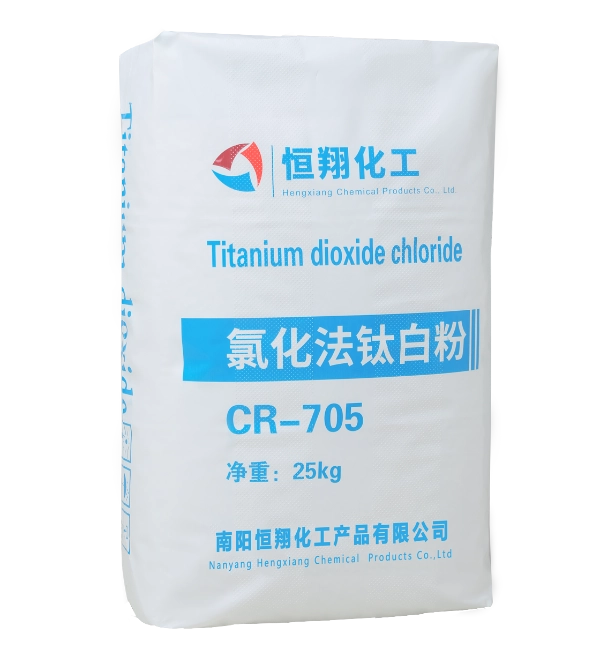
CR705 Titanyum Dioksit Pigmenti, Klorür Prosesi Rutil Tipi, 25KG Endüstriyel Ambalaj Torbası

Rutil Tipi Titanyum Dioksit TiO2 CR705

CR705, klorür prosesiyle üretilmiş, mavimsi alt tona sahip, yüksek parlaklık ve mükemmel hava koşullarına dayanıklılık sunan bir titanyum dioksittir. Mimari kaplamalar, otomotiv OEM boyaları, endüstriyel anti-korozyon kaplamalar, gravür ve ofset mürekkepleri, mühendislik plastikleri, TiO₂ masterbatch uygulamaları ve masterbatch çözümleri dahil olmak üzere kaplamalar, mürekkepler, yol çizgi boyaları ve plastiklerde çok yönlü kullanım için idealdir.

Read MoreRutil Tipi Titanyum Dioksit TiO2 CR705

Application Uses

What is TiO2 used for in polymers?

What is TiO2 used for in polymers?

Titanium dioxide is widely used in polymers as a white pigment and performance booster. It gives plastics a bright, opaque appearance and helps protect them from sunlight by blocking UV radiation. This improves color stability, prevents yellowing, and extends the life of polymer products. TiO2 is found in everyday items such as packaging, films, pipes, and window profiles, where both appearance and durability are important.

What is the use of titanium dioxide in plastic?

What is titanium dioxide used for in plastic?

Titanium dioxide is added to plastics to give them whiteness, opacity, and brightness. It also improves UV resistance and weatherability, helping materials keep their color and strength over time. Common applications include PVC, PE, PP, PS, PET, ABS, PC, PA, PBT, and SAN, as well as plastic masterbatch, where TiO₂ enhances appearance, prevents degradation, and extends product life in packaging, construction, automotive, and consumer goods.

What is the role of titanium dioxide in coatings?

What is the role of titanium dioxide in coatings?

Titanium dioxide is used in coatings to provide whiteness, opacity, and brightness. It delivers strong hiding power, improves UV resistance and durability, and helps coatings keep their color over time. TiO2 is essential in architectural, industrial, automotive, and protective coatings where long‑lasting appearance and performance are required.

Health & Safety

Why was titanium dioxide banned?

Why was titanium dioxide banned?

Titanium dioxide has not been banned globally. The restriction applies only to food‑grade titanium dioxide (E171) in the European Union. In 2022, the EU adopted a precautionary ban after its food safety authority concluded that the long‑term effects of ingesting very small TiO2 particles could not be fully ruled out.

This action was based on uncertainty rather than proof of harm. Other regions — including the United States, Canada, Australia, and Japan — continue to allow E171 in food when used within established safety limits.

The EU’s decision is specific to food use. Titanium dioxide used in coatings, plastics, inks, cosmetics, and other non‑food applications remains widely approved and is considered safe because it is embedded in solid materials and not ingested.

Is titanium dioxide no longer safe?

Is titanium dioxide no longer safe?

Titanium dioxide is still considered safe in most of its common uses, including coatings, plastics, inks, and cosmetics. The recent concerns mainly involve food‑grade titanium dioxide (E171), where different regions have taken different regulatory approaches.

The European Union chose to restrict E171 in food as a precaution, while countries such as the United States, Canada, Australia, and Japan continue to allow it within established safety limits. These differences reflect policy choices rather than a global scientific consensus.

In non‑food applications, where titanium dioxide is locked into a solid matrix, it remains widely approved and is not considered a health risk. Overall, there is no evidence that titanium dioxide is broadly unsafe; the discussion is specific to food use and varies by region.

Other Related Questions

What are the three types of TiO2?

What are the three forms of TiO2?

There are three main types of titanium dioxide (TiO2) based on crystal structure: rutile, anatase, and brookite.

Rutile TiO2 is the most stable and the most widely used form, commonly found in coatings, plastics, inks, and masterbatches due to its excellent opacity and durability.

Anatase TiO2 is less stable but known for its photocatalytic properties, making it suitable for photocatalysis, paper, and specialty applications.

Brookite TiO2 is the least common form and is rarely used in commercial products, appearing mainly in laboratory and research settings.

All three share the same chemical composition, but their crystal structures give them different properties. In practice, rutile dominates industrial use, anatase serves functional applications, and brookite is largely limited to research.