Hạt Nhựa Masterbatch

Titanium Dioxide for Masterbatch, TiO2 Masterbatch, Titanium Dioxide Used in Plastic, PP master batch

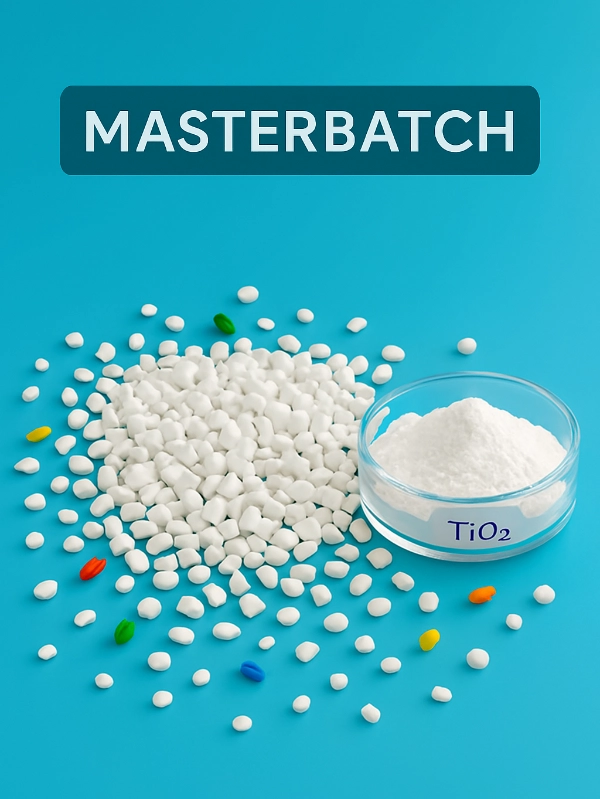
Masterbatch nhựa là hỗn hợp cô đặc gồm chất màu (hạt màu), TiO₂ và phụ gia chức năng, được phân tán trong nhựa nền polyme. TiO2 masterbatch được sử dụng trong thổi màng, ép phun và ép đùn để tăng độ bền màu, độ che phủ, độ trắng và khả năng chống UV.

Nhựa nền được lựa chọn theo ứng dụng: PE, PP cho màng, ống và sản phẩm ép phun; ABS, PC, PA, PBT cho linh kiện ô tô và thiết bị điện tử; PET cho chai lọ, bao bì và sợi yêu cầu độ trong và tiêu chuẩn tiếp xúc thực phẩm.

Trong công thức hạt màu trắng, TiO2 mang lại độ trắng cao, phân tán đồng đều và ổn định nhiệt. Ứng dụng gồm bao bì, hàng gia dụng, phụ tùng ô tô và nhựa kỹ thuật, nơi masterbatch giúp cải thiện hiệu suất và chất lượng sản phẩm.

Masterbatch nhựa là hỗn hợp cô đặc gồm chất màu (hạt màu), TiO₂ và phụ gia chức năng, được phân tán trong nhựa nền polyme. TiO2 masterbatch được sử dụng trong thổi màng, ép phun và ép đùn để tăng độ bền màu, độ che phủ, độ trắng và khả năng chống UV.

Nhựa nền được lựa chọn theo ứng dụng: PE, PP cho màng, ống và sản phẩm ép phun; ABS, PC, PA, PBT cho linh kiện ô tô và thiết bị điện tử; PET cho chai lọ, bao bì và sợi yêu cầu độ trong và tiêu chuẩn tiếp xúc thực phẩm.

Trong công thức hạt màu trắng, TiO2 mang lại độ trắng cao, phân tán đồng đều và ổn định nhiệt. Ứng dụng gồm bao bì, hàng gia dụng, phụ tùng ô tô và nhựa kỹ thuật, nơi masterbatch giúp cải thiện hiệu suất và chất lượng sản phẩm.

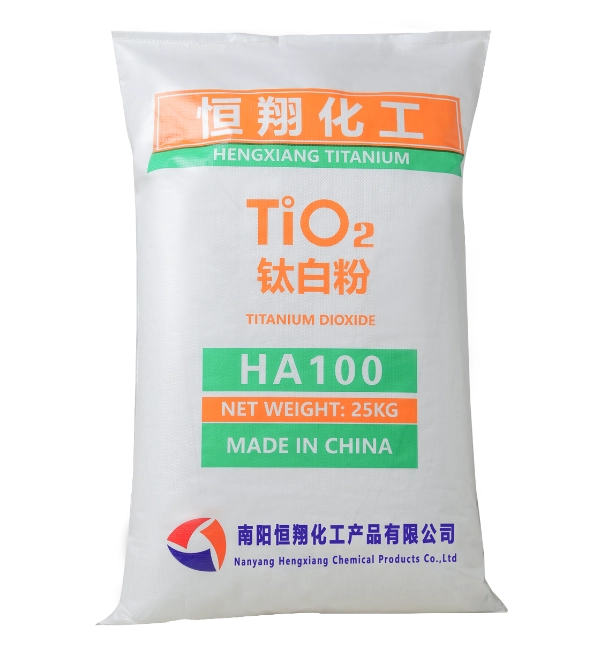
HA100 Titan dioxit anatase TiO2

Titan Dioxide Dạng Anatase HA100

HA-100 là sắc tố titan dioxide dạng anatase có độ tinh khiết cao, phân bố kích thước hạt mịn và hiệu suất xuất sắc. Sản phẩm có khả năng che phủ mạnh, độ trắng vượt trội và khả năng phân tán ưu việt, thích hợp cho sơn tường nội thất, ống nhựa trong nhà, màng phim, cao su, da, giấy, men titan, sứ và ứng dụng masterbatch titan dioxide (TiO₂ masterbatch).

Xem thêmTitan Dioxide Dạng Anatase HA100
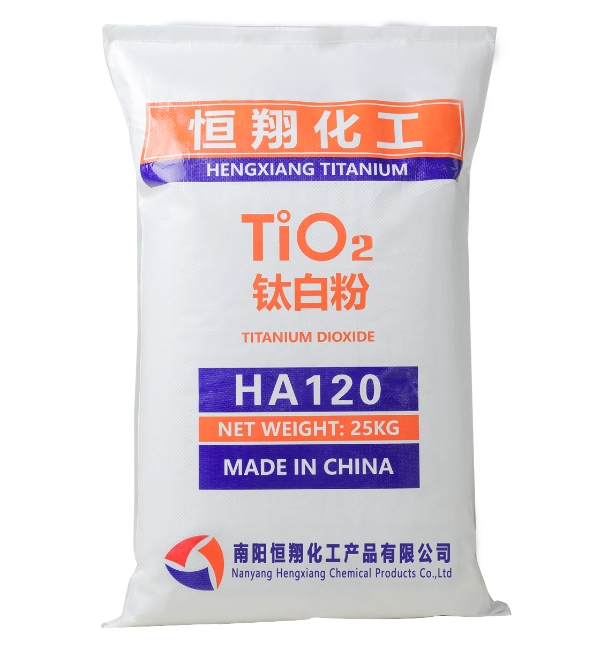
Nhà sản xuất titan dioxide tại Trung Quốc · Quy trình sunfat · Dạng anatase TiO2 HA120

Titanium Dioxide Anatase HA120

HA-120 là titan dioxide dạng anatase cấp độ phổ dụng, với độ trắng xuất sắc, khả năng che phủ cao, độ bóng và khả năng phân tán tốt. Có đặc tính hút dầu thấp và khả năng chịu thời tiết mạnh, chủ yếu được sử dụng trong sơn tường nội thất, ống nhựa trong nhà, màng, cao su, da, giấy, chế tạo titanat và các ứng dụng masterbatch titan dioxide.

Xem thêmTitanium Dioxide Anatase HA120
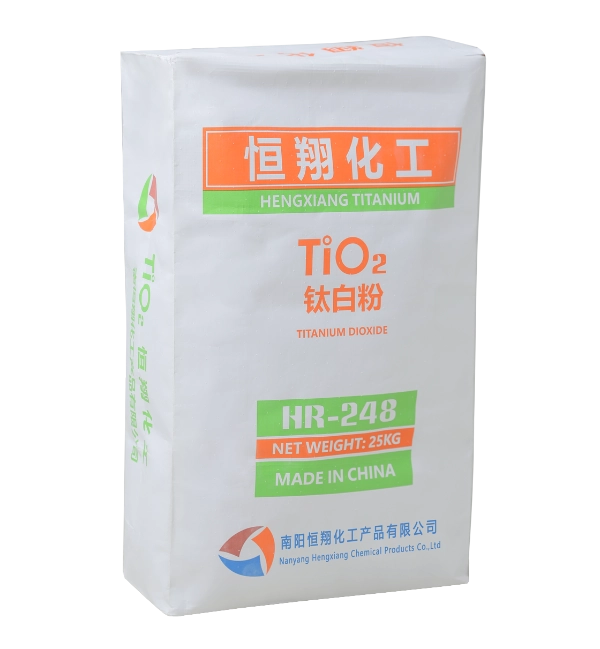
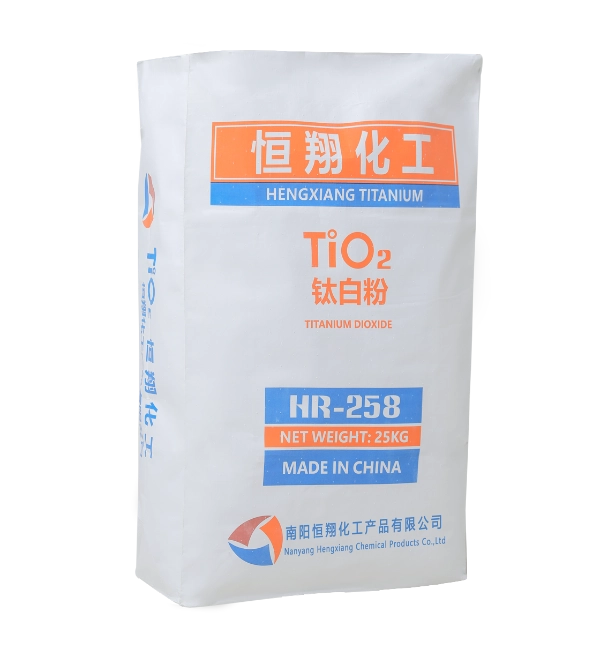
Bao công nghiệp 25kg Titan dioxide dạng rutile, quy trình sunfat TiO₂, Trung Quốc HengXiang Titanium

Titan Dioxide Dạng Rutile TiO2 HR248

HR-248 là loại rutile quy trình sunfat với kích thước hạt mịn và độ bóng cao, được sản xuất bằng máy nghiền cát nhập khẩu cho quá trình nghiền ướt. Được xử lý bề mặt bằng alumina đặc và silica, nó mang lại khả năng chống thời tiết và độ bền tuyệt vời.

HR-248 được sử dụng rộng rãi trong PVC, sơn phủ, mực khắc, giấy, vạch kẻ đường và đặc biệt trong các ứng dụng masterbatch. Là titan dioxide hiệu suất cao cho masterbatch, nó đảm bảo khả năng che phủ mạnh, độ sáng và khả năng phân tán. Điều này làm cho nó trở thành lựa chọn lý tưởng cho các công thức masterbatch titan dioxide (TiO₂ masterbatch) yêu cầu chất lượng ổn định và độ bền lâu dài.

Xem thêmTitan Dioxide Dạng Rutile TiO2 HR248
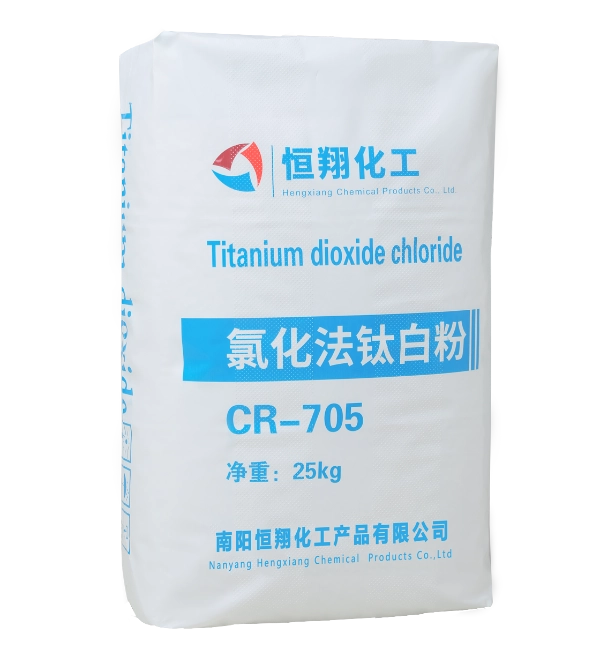
Bao bì công nghiệp của sắc tố Titan dioxide CR705, quy trình clo dạng rutile, bao 25kg

Titan dioxide dạng rutile CR705

CR705 là titanium dioxide sản xuất theo quy trình clo, có tông xanh, độ sáng cao và khả năng chống thời tiết tuyệt vời. Sản phẩm đa dụng cho sơn phủ, mực in và nhựa — bao gồm hoàn thiện kiến trúc, sơn ô tô OEM, sơn công nghiệp chống ăn mòn, mực in ống đồng và offset, nhựa kỹ thuật, ứng dụng hạt màu TiO₂ (masterbatch) và các giải pháp titanium dioxide cho masterbatch.

Xem thêmTitan dioxide dạng rutile CR705

Application Uses

What is TiO2 used for in polymers?

What is TiO2 used for in polymers?

Titanium dioxide is widely used in polymers as a white pigment and performance booster. It gives plastics a bright, opaque appearance and helps protect them from sunlight by blocking UV radiation. This improves color stability, prevents yellowing, and extends the life of polymer products. TiO2 is found in everyday items such as packaging, films, pipes, and window profiles, where both appearance and durability are important.

What is the use of titanium dioxide in plastic?

What is titanium dioxide used for in plastic?

Titanium dioxide is added to plastics to give them whiteness, opacity, and brightness. It also improves UV resistance and weatherability, helping materials keep their color and strength over time. Common applications include PVC, PE, PP, PS, PET, ABS, PC, PA, PBT, and SAN, as well as plastic masterbatch, where TiO₂ enhances appearance, prevents degradation, and extends product life in packaging, construction, automotive, and consumer goods.

What is the role of titanium dioxide in coatings?

What is the role of titanium dioxide in coatings?

Titanium dioxide is used in coatings to provide whiteness, opacity, and brightness. It delivers strong hiding power, improves UV resistance and durability, and helps coatings keep their color over time. TiO2 is essential in architectural, industrial, automotive, and protective coatings where long‑lasting appearance and performance are required.

Health & Safety

Why was titanium dioxide banned?

Why was titanium dioxide banned?

Titanium dioxide has not been banned globally. The restriction applies only to food‑grade titanium dioxide (E171) in the European Union. In 2022, the EU adopted a precautionary ban after its food safety authority concluded that the long‑term effects of ingesting very small TiO2 particles could not be fully ruled out.

This action was based on uncertainty rather than proof of harm. Other regions — including the United States, Canada, Australia, and Japan — continue to allow E171 in food when used within established safety limits.

The EU’s decision is specific to food use. Titanium dioxide used in coatings, plastics, inks, cosmetics, and other non‑food applications remains widely approved and is considered safe because it is embedded in solid materials and not ingested.

Is titanium dioxide no longer safe?

Is titanium dioxide no longer safe?

Titanium dioxide is still considered safe in most of its common uses, including coatings, plastics, inks, and cosmetics. The recent concerns mainly involve food‑grade titanium dioxide (E171), where different regions have taken different regulatory approaches.

The European Union chose to restrict E171 in food as a precaution, while countries such as the United States, Canada, Australia, and Japan continue to allow it within established safety limits. These differences reflect policy choices rather than a global scientific consensus.

In non‑food applications, where titanium dioxide is locked into a solid matrix, it remains widely approved and is not considered a health risk. Overall, there is no evidence that titanium dioxide is broadly unsafe; the discussion is specific to food use and varies by region.

Other Related Questions

What are the three types of TiO2?

What are the three forms of TiO2?

There are three main types of titanium dioxide (TiO2) based on crystal structure: rutile, anatase, and brookite.

Rutile TiO2 is the most stable and the most widely used form, commonly found in coatings, plastics, inks, and masterbatches due to its excellent opacity and durability.

Anatase TiO2 is less stable but known for its photocatalytic properties, making it suitable for photocatalysis, paper, and specialty applications.

Brookite TiO2 is the least common form and is rarely used in commercial products, appearing mainly in laboratory and research settings.

All three share the same chemical composition, but their crystal structures give them different properties. In practice, rutile dominates industrial use, anatase serves functional applications, and brookite is largely limited to research.