Titan Dioxit (TiO₂)

Anatase TiO2, Titan Dioxit Anatase, TiO2 Anatase Rutil

Titan dioxit (TiO₂) là một sắc tố đa dụng, có sẵn ở cả dạng TiO₂ rutil và anatase, mang lại độ trắng vượt trội, độ che phủ và độ bền cao. Được sản xuất thông qua công nghệ tiên tiến của quy trình sunfat titan dioxit và quy trình clorua TiO₂, các sắc tố TiO₂ rutil và anatase cung cấp chất lượng ổn định cho sơn phủ, nhựa, masterbatch, mực in, giấy, sơn kẻ đường và vật liệu xây dựng. Với khả năng chống tia UV mạnh mẽ và khả năng phân tán tuyệt vời, TiO₂ anatase và các cấp rutil vẫn là những vật liệu chủ chốt trong nhiều ngành công nghiệp trên toàn thế giới.

Titan dioxit (TiO₂) là một sắc tố đa dụng, có sẵn ở cả dạng TiO₂ rutil và anatase, mang lại độ trắng vượt trội, độ che phủ và độ bền cao. Được sản xuất thông qua công nghệ tiên tiến của quy trình sunfat titan dioxit và quy trình clorua TiO₂, các sắc tố TiO₂ rutil và anatase cung cấp chất lượng ổn định cho sơn phủ, nhựa, masterbatch, mực in, giấy, sơn kẻ đường và vật liệu xây dựng. Với khả năng chống tia UV mạnh mẽ và khả năng phân tán tuyệt vời, TiO₂ anatase và các cấp rutil vẫn là những vật liệu chủ chốt trong nhiều ngành công nghiệp trên toàn thế giới.

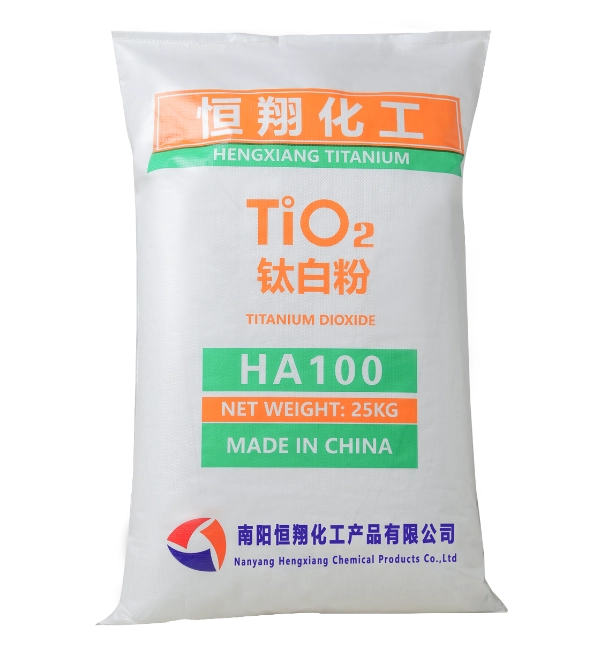
HA100 Titan dioxit anatase TiO2

Titan Dioxide Dạng Anatase HA100

HA-100 là sắc tố titan dioxide dạng anatase có độ tinh khiết cao, phân bố kích thước hạt mịn và hiệu suất xuất sắc. Sản phẩm có khả năng che phủ mạnh, độ trắng vượt trội và khả năng phân tán ưu việt, thích hợp cho sơn tường nội thất, ống nhựa trong nhà, màng phim, cao su, da, giấy, men titan, sứ và ứng dụng masterbatch titan dioxide (TiO₂ masterbatch).
Xem thêmTitan Dioxide Dạng Anatase HA100
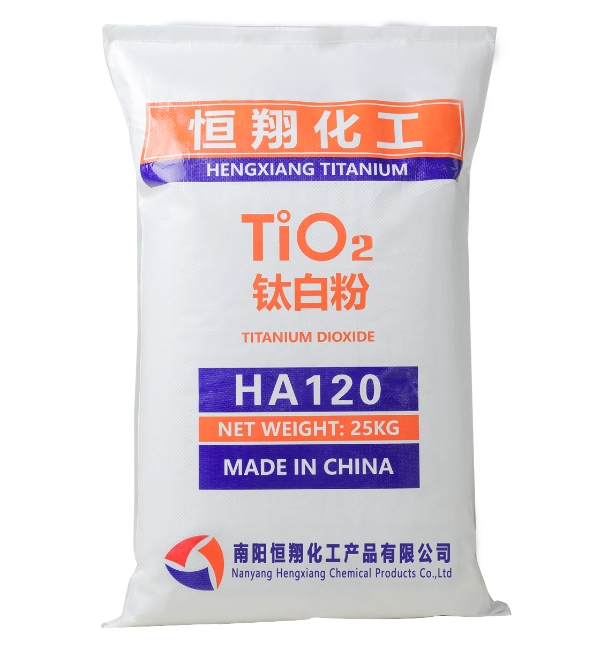
Nhà sản xuất titan dioxide tại Trung Quốc · Quy trình sunfat · Dạng anatase TiO2 HA120

Titanium Dioxide Anatase HA120

HA-120 là titan dioxide dạng anatase cấp độ phổ dụng, với độ trắng xuất sắc, khả năng che phủ cao, độ bóng và khả năng phân tán tốt. Có đặc tính hút dầu thấp và khả năng chịu thời tiết mạnh, chủ yếu được sử dụng trong sơn tường nội thất, ống nhựa trong nhà, màng, cao su, da, giấy, chế tạo titanat và các ứng dụng masterbatch titan dioxide.

Xem thêmTitanium Dioxide Anatase HA120
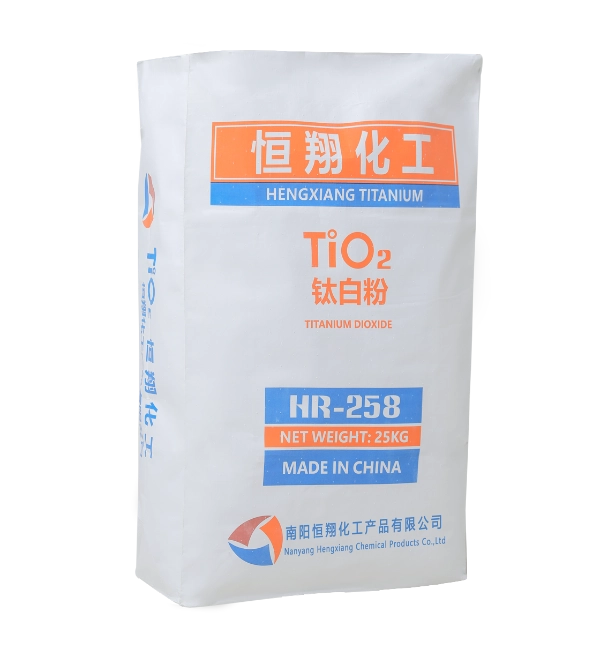
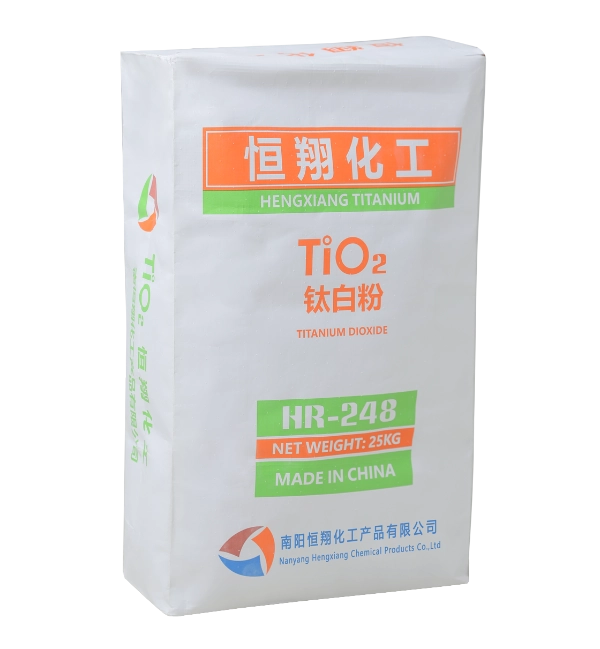
Bao công nghiệp 25kg Titan dioxide dạng rutile, quy trình sunfat TiO₂, Trung Quốc HengXiang Titanium

Titan Dioxide Dạng Rutile TiO2 HR248

HR-248 là loại rutile quy trình sunfat với kích thước hạt mịn và độ bóng cao, được sản xuất bằng máy nghiền cát nhập khẩu cho quá trình nghiền ướt. Được xử lý bề mặt bằng alumina đặc và silica, nó mang lại khả năng chống thời tiết và độ bền tuyệt vời.

HR-248 được sử dụng rộng rãi trong PVC, sơn phủ, mực khắc, giấy, vạch kẻ đường và đặc biệt trong các ứng dụng masterbatch. Là titan dioxide hiệu suất cao cho masterbatch, nó đảm bảo khả năng che phủ mạnh, độ sáng và khả năng phân tán. Điều này làm cho nó trở thành lựa chọn lý tưởng cho các công thức masterbatch titan dioxide (TiO₂ masterbatch) yêu cầu chất lượng ổn định và độ bền lâu dài.

Xem thêmTitan Dioxide Dạng Rutile TiO2 HR248
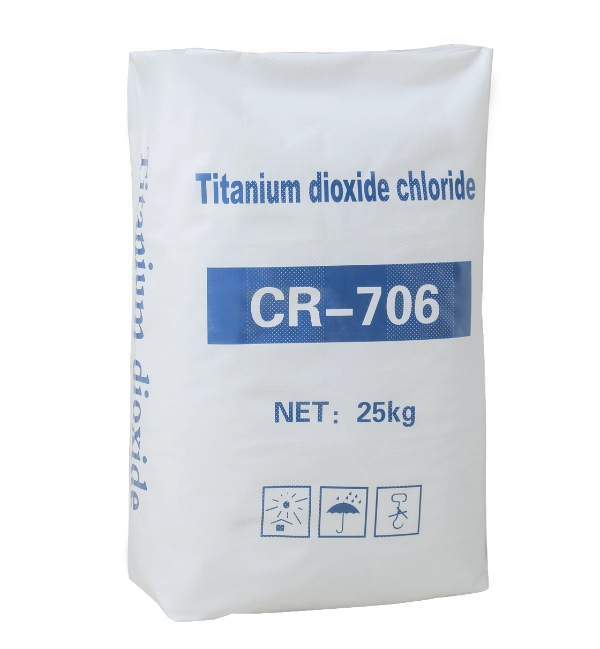
Titan dioxit TiO2 CR706 cấp rutil quy trình clorua trong bao công nghiệp 25kg

Titan Trắng TiO₂ Dạng Rutile CR706

CR706 nổi bật với khả năng phân tán vượt trội, độ bóng cao, độ che phủ mạnh và sắc xanh nhẹ. Đây là titanium dioxide dạng rutile với xử lý bề mặt vô cơ tiên tiến, mang lại khả năng chống chịu thời tiết xuất sắc. Sản phẩm được sử dụng rộng rãi trong sơn kiến trúc và sơn công nghiệp, cả trong nhà và ngoài trời.

Xem thêmTitan Trắng TiO₂ Dạng Rutile CR706
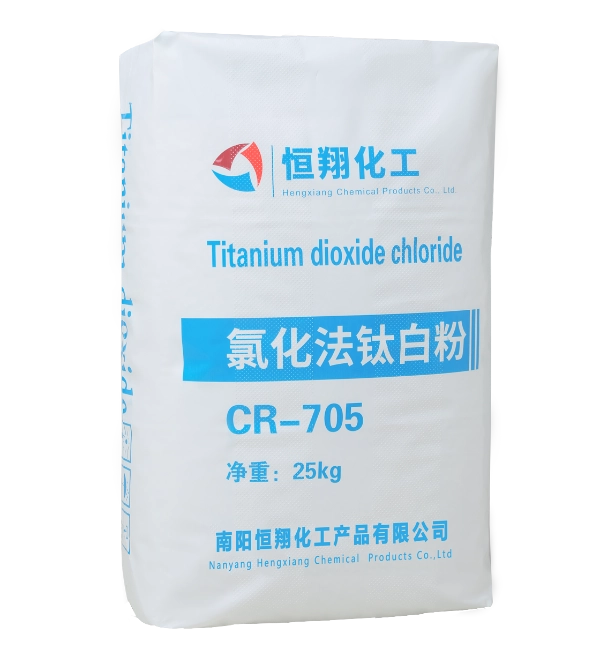
Bao bì công nghiệp của sắc tố Titan dioxide CR705, quy trình clo dạng rutile, bao 25kg

Titan dioxide dạng rutile CR705

CR705 là titanium dioxide sản xuất theo quy trình clo, có tông xanh, độ sáng cao và khả năng chống thời tiết tuyệt vời. Sản phẩm đa dụng cho sơn phủ, mực in và nhựa — bao gồm hoàn thiện kiến trúc, sơn ô tô OEM, sơn công nghiệp chống ăn mòn, mực in ống đồng và offset, nhựa kỹ thuật, ứng dụng hạt màu TiO₂ (masterbatch) và các giải pháp titanium dioxide cho masterbatch.

Xem thêmTitan dioxide dạng rutile CR705

Titan Dioxit (TiO₂) Basics

What is Ti02?

What is TiO2?

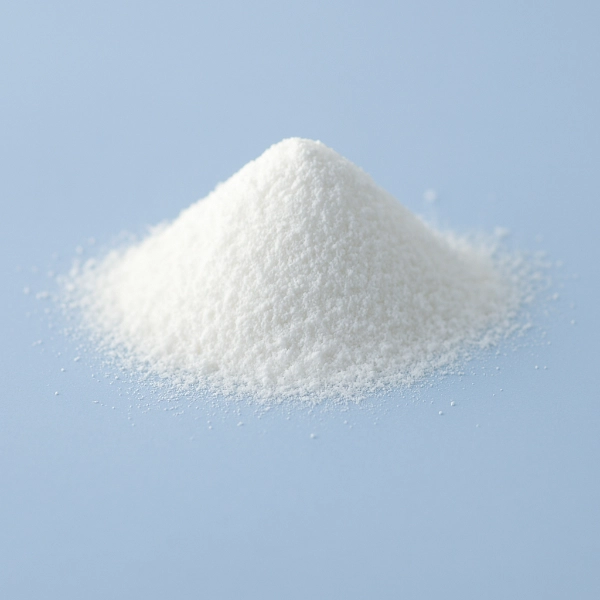
TiO₂ is the chemical formula for titanium dioxide. It’s a very common white powder that looks a bit like ultra‑fine white chalk dust. It has no smell or taste, and it’s well‑known for its bright whiteness and strong ability to make things look more opaque.

TiO2 is often found in many common products, though the specific purpose can vary by industry. You can think of it as a “white base layer” that helps a product look cleaner, whiter, and more even.

It’s one of the most widely used and trusted white pigments worldwide.

What are the two types of TiO2?

What are the two types of TiO2?

Titanium dioxide mainly exists in two crystal forms: rutile and anatase. Rutile TiO2 is the more stable form, with stronger hiding power and better resistance to weather, so it is widely used in outdoor coatings and plastics. Anatase TiO2 has lower opacity and is often chosen for indoor paints, paper, and certain specialty applications.

Application Uses

What is titanium dioxide used for?

What is titanium dioxide used for?

Titanium dioxide is mainly used as a white pigment to make products brighter, more opaque, and durable. You’ll find it in paints, plastics, paper, inks, and textiles, where it helps improve whiteness and appearance. It’s also common in packaging, cosmetics, and other applications that require UV protection.

Other Related Questions

What do you do with pigment powder?

What do you do with pigment powder?

Pigment powder is used to provide color, whiteness, and opacity. It is mixed with binders or resins to make products such as paints, plastics, rubber, paper, and printing inks, improving appearance and coverage at a lower cost.

What is the process of TiO2 production?

What is the process of TiO2 production?

Titanium dioxide is mainly produced using two methods: the sulfate process and the chloride process.

  • Sulfate process: Titanium ores are dissolved in sulfuric acid and processed to yield TiO₂. It’s the older method and still widely used, though it generates more waste.
  • Chloride process: Titanium ores like rutile or ilmenite are reacted with chlorine at high temperatures to form titanium tetrachloride (TiCl₄), which is purified and oxidized into TiO₂. This method produces a purer pigment and is generally more environmentally friendly.

Together, these methods supply TiO2 used in paints, plastics, paper, textiles, rubber and many other products.