Industrial Coatings

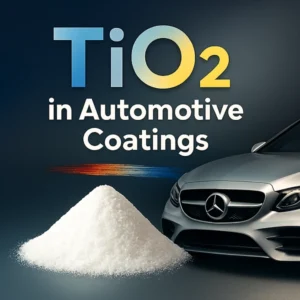
Industrial coatings formulated with titanium dioxide (TiO₂) provide exceptional protection and performance. They improve corrosion resistance, UV stability, and opacity, ensuring reliable coverage for machinery, pipelines, and structural steel across demanding environments.

Industrial coatings formulated with titanium dioxide (TiO₂) provide exceptional protection and performance. They improve corrosion resistance, UV stability, and opacity, ensuring reliable coverage for machinery, pipelines, and structural steel across demanding environments.

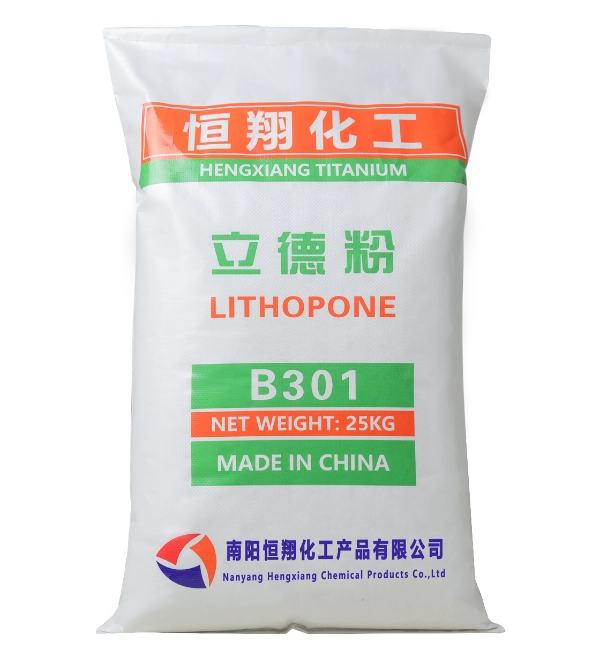
25KG Industrial Bag of Lithopone 301 White Pigment Lithopone Powder, MADE IN CHINA, HengXiang Titanium

Lithopone B301 Powder

Lithopone Powder B301 is a cost-effective white pigment composed of zinc sulphide (zinc sulfide) and barium sulfate, widely used in coatings, plastics, rubber, paper, enamel pigments, and inks. With high opacity, low oil absorption, and reliable chemical stability, this lithopone powder performs consistently in general-purpose industrial use. Trusted by leading lithopone suppliers, lithopone B301 is ideal for cost-sensitive formulations requiring dependable whiteness and dispersion.
Read MoreLithopone B301 Powder
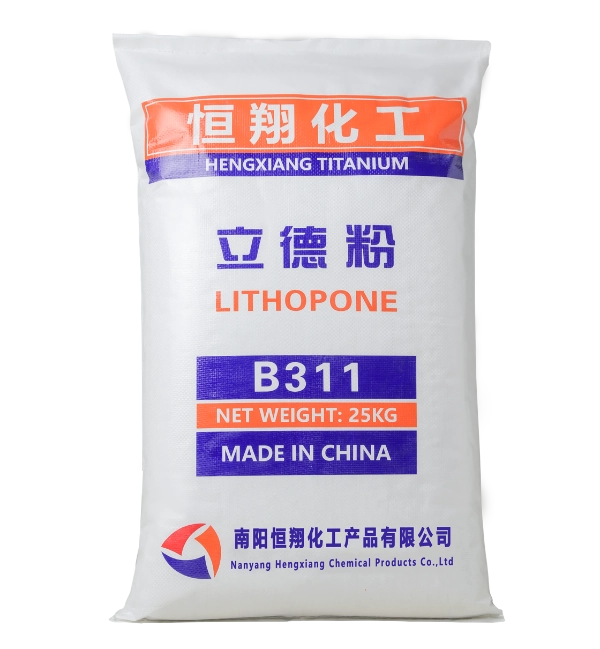
25KG Lithopone 311 White Pigment, Lithopone Powder, HengXiang Chemical - Titanium Dioxide Manufacturer in China

Lithopone B311 Powder

Lithopone B311 is a cost-effective white pigment composed of zinc sulfide (zinc sulphide) and barium sulfate, offering high opacity, chemical stability, and low oil absorption. As a higher-grade pigment, it is well-suited for premium paints and coatings. Widely used in plastics, rubber, paper, and synthetic leather, B311 delivers consistent performance in general-purpose industrial applications. Trusted by leading lithopone suppliers, it supports value-driven systems requiring reliable whiteness and dispersion.

Read MoreLithopone B311 Powder
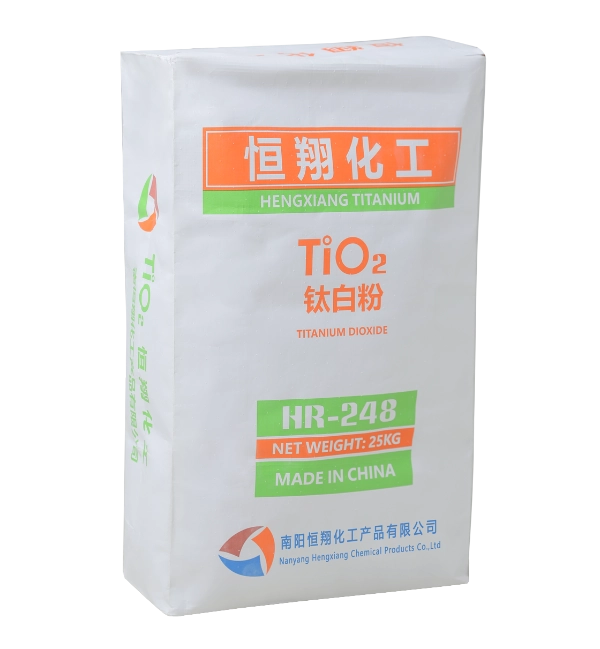
25kg Industrial bag of Titanium Dioxide Rutile Grade, Sulfate Process TiO2, China HengXiang Titanium

Rutile Titanium Dioxide HR248

Titanium Dioxide HR-248 is a sulfate-process rutile grade with fine particle size and high gloss, produced using imported sand mills for wet grinding. Surface-treated with dense alumina and silica, it delivers excellent weather resistance and durability.

HR-248 is widely used in PVC, coatings, etching inks, paper, road marking lines, and especially in masterbatch applications. As a high-performance titanium dioxide for masterbatch, it ensures strong hiding power, brightness, and dispersion. This makes it an ideal choice for titanium dioxide masterbatch (TiO₂ masterbatch) formulations requiring consistent quality and long-term stability.

Read MoreRutile Titanium Dioxide HR248
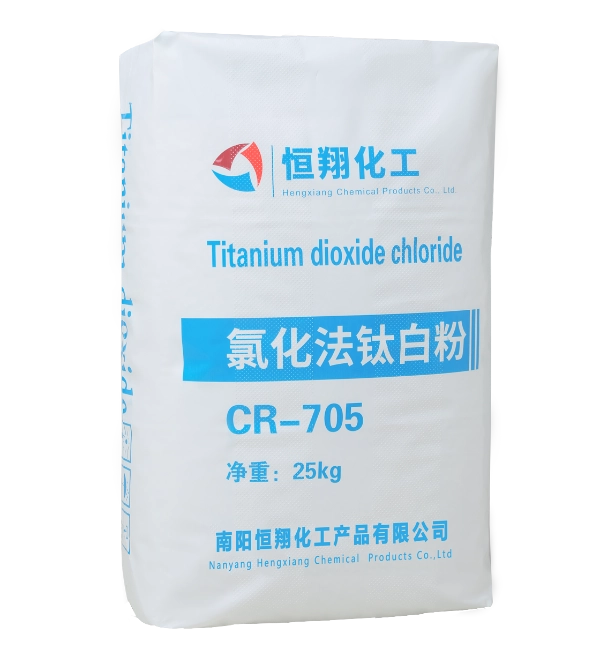
Industrial packaging of CR705 Titanium Dioxide pigment, chloride process rutile grade, 25kg bag

Rutile Titanium Dioxide CR705

CR705 is a chloride-process titanium dioxide TiO2 with blue undertone, high brightness, and excellent weather resistance. Versatile for paints, coatings, inks, road pavement markings and plastics—including architectural finishes, automotive OEM, industrial anti-corrosion coatings, gravure and offset inks, engineering plastics, TiO2 masterbatch applications, and titanium dioxide for masterbatch solutions.

Read MoreRutile Titanium Dioxide CR705

Other Related Questions

What is the difference between titanium dioxide and lithopone?

What is the difference between lithopone and titanium dioxide?

Titanium dioxide and lithopone are both white pigments, but they perform very differently. Titanium dioxide is a pure TiO₂ pigment with high brightness, strong hiding power, and excellent durability. Lithopone is a mixture of zinc sulfide and barium sulfate, and it offers lower whiteness and weaker opacity.

Because titanium dioxide delivers much better overall performance, it has largely replaced lithopone in modern coatings, plastics, inks, and other applications that need strong color strength and long‑term stability. Lithopone is still used, but mostly in low‑cost or less demanding products.

In short, titanium dioxide offers significantly higher performance than lithopone, which is why it has become the preferred white pigment in most modern industrial applications.