Printing

Last Updated: March 26, 2026
Titanium dioxide pigment in the printing industry

Titanium dioxide plays a vital role in the printing industry, delivering high opacity, whiteness, and stability across multiple processes. From flexographic and gravure printing to letterpress and offset printing, TiO2 ensures consistent color performance and durability in inks and coatings. Our archive highlights product options tailored for printing industrial applications, helping manufacturers achieve superior print quality and long-lasting results.

Titanium dioxide plays a vital role in the printing industry, delivering high opacity, whiteness, and stability across multiple processes. From flexographic and gravure printing to letterpress and offset printing, TiO2 ensures consistent color performance and durability in inks and coatings. Our archive highlights product options tailored for printing industrial applications, helping manufacturers achieve superior print quality and long-lasting results.

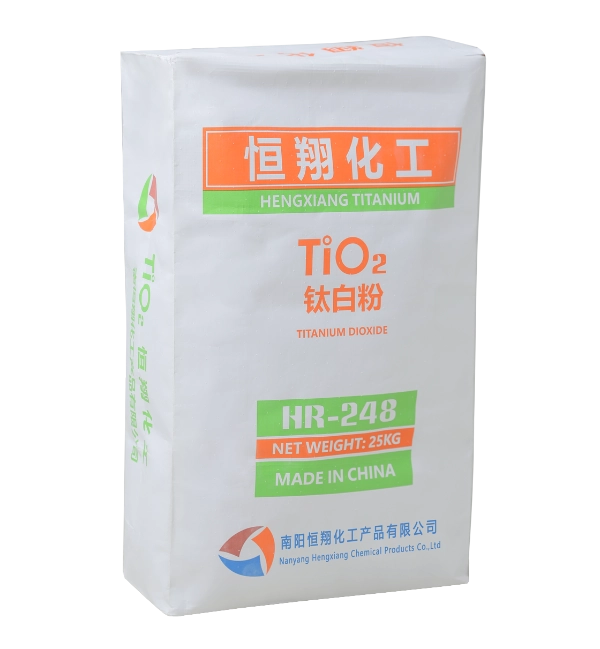
25kg Industrial bag of Titanium Dioxide Rutile Grade, Sulfate Process TiO2, China HengXiang Titanium

Rutile Titanium Dioxide HR248

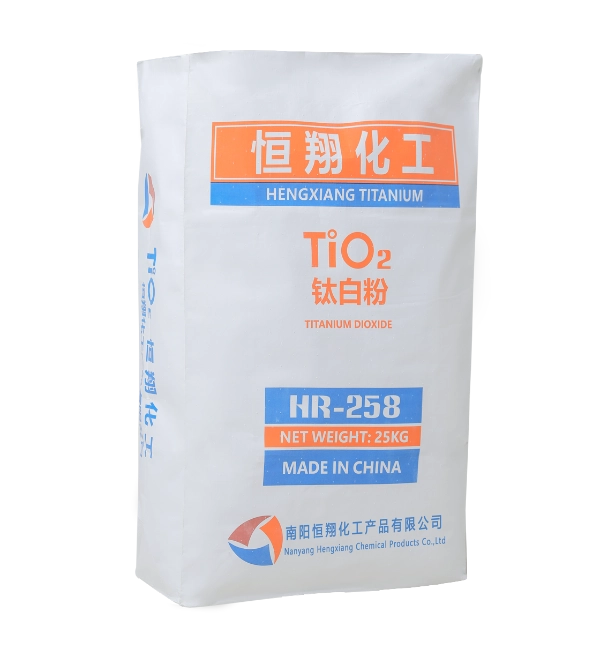
Titanium Dioxide HR-248 is a sulfate-process rutile grade with fine particle size and high gloss, produced using imported sand mills for wet grinding. Surface-treated with dense alumina and silica, it delivers excellent weather resistance and durability.

HR-248 is widely used in PVC, coatings, etching inks, paper, road marking lines, and especially in masterbatch applications. As a high-performance titanium dioxide for masterbatch, it ensures strong hiding power, brightness, and dispersion. This makes it an ideal choice for titanium dioxide masterbatch (TiO₂ masterbatch) formulations requiring consistent quality and long-term stability.

Read MoreRutile Titanium Dioxide HR248

Printing Basics

What is TiO2 in inks?

Understanding the Use of Titanium Dioxide in Printing Inks

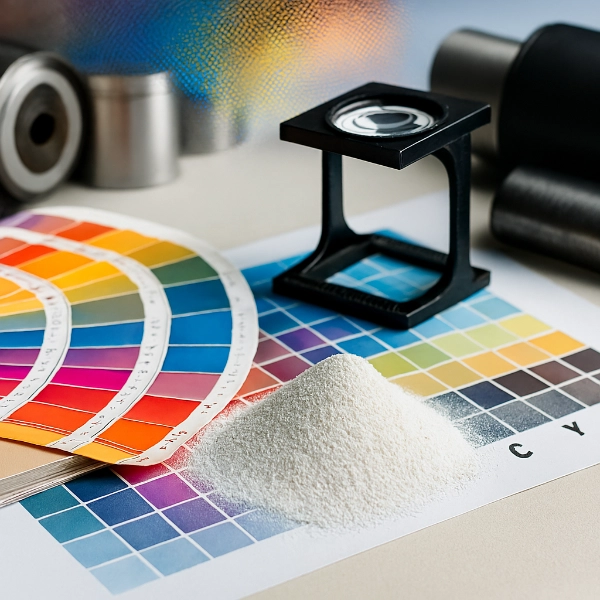
Titanium dioxide (TiO2) is the primary white pigment used in the ink industry to provide essential opacity, brightness, and a solid base for color printing. It works by scattering light, which allows the ink layer to fully hide the substrate—whether it’s dark plastic film, metallic foil, or recycled paper. Without high-quality TiO2, white inks would remain transparent, and colors would appear dull or faded on non-white surfaces. In professional formulations, choosing a rutile grade is the key to achieving a “stark white” finish with minimal ink consumption.